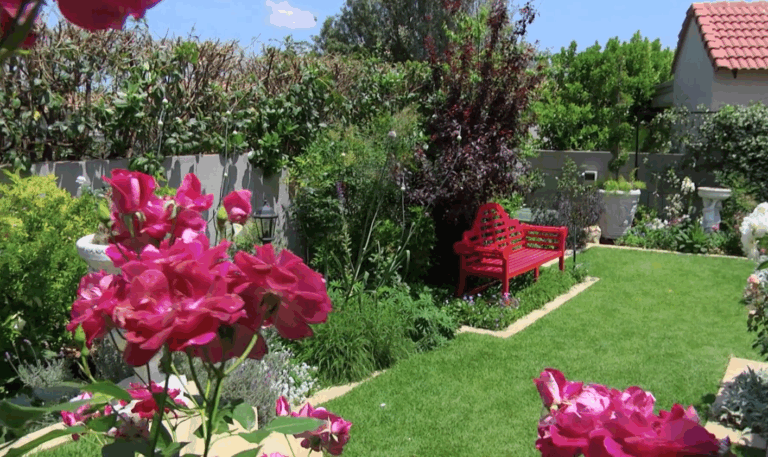
Discover how simple changes in fabric, texture, and color can transform your home throughout the year. From crisp linens in summer to layered textures in winter, learn how seasonal styling keeps interiors fresh, inspiring, and full of life. Featuring insights from textile expert Celia Ives, this guide shows how to blend timeless pieces, local creativity, and thoughtful rotation to make your home evolve beautifully with the seasons.
A Home That Moves With the Weather
As temperate seasons shift, so too can the mood of a home. The transition need not require structural change or extravagant expense; often, it is fabric and colour that quietly recalibrate a space. Light linens and breathable cottons cool a room in warmer months, while richer tones and layered textures lend warmth when the air turns crisp. Allowing interiors to evolve in step with the calendar keeps them feeling alive, responsive rather than static. For textile specialist Celia Ives, this seasonal rhythm lies at the heart of thoughtful decorating. Through her work sourcing and designing fabrics and wallpapers, she has long observed how subtle change, a new cushion cover, a different curtain weight, a shift in palette, can completely alter a room’s atmosphere. The home becomes not a fixed statement, but an ongoing conversation between comfort and climate.
The Language of Cloth
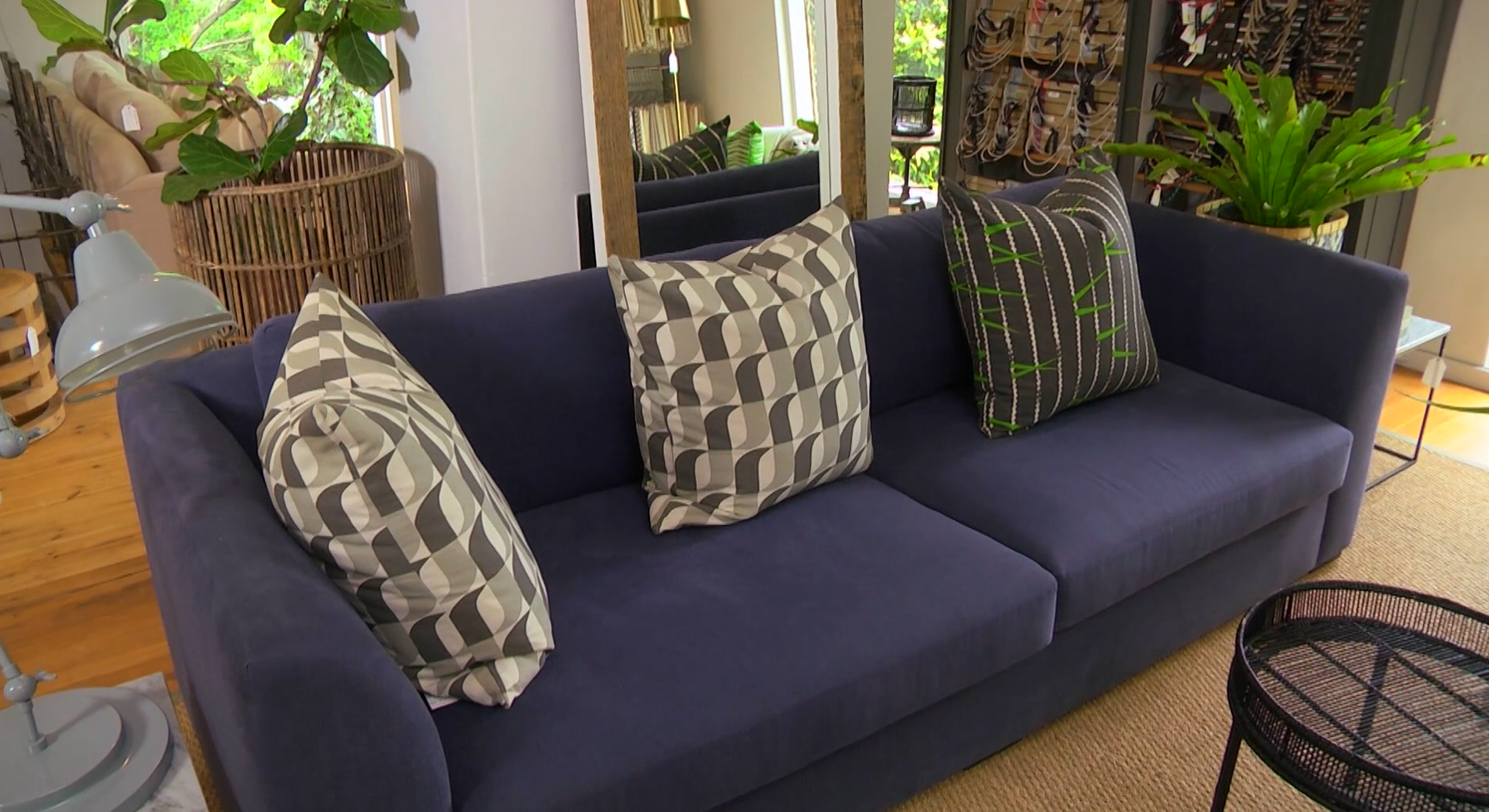
Textiles speak in texture before they speak in pattern. The crispness of linen, the softness of cotton, the gentle slub of woven fibres, these tactile qualities create an emotional response as much as a visual one. Ives gravitates toward natural materials: silks, linens, and cottons that hold depth and authenticity. Synthetic shine rarely competes with the quiet confidence of cloth that breathes. Texture, she believes, anchors a room. Even in pared-back interiors, plains and weaves carry visual weight. A beautifully textured neutral can feel as expressive as a bold print. The key lies in balance; pairing restraint with interest, simplicity with substance.
Rooted in Local Creativity
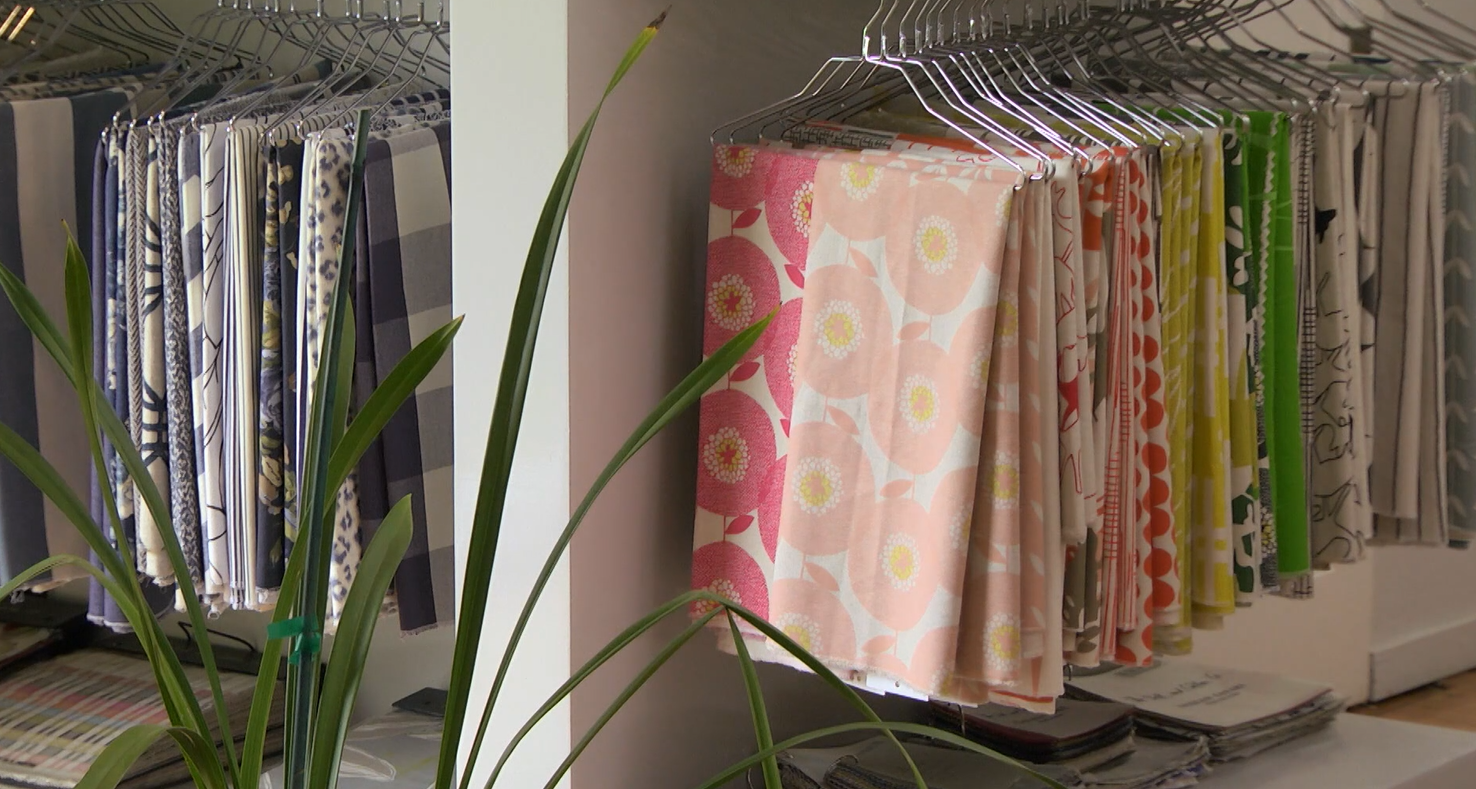
While international travel and global trade shows offer exposure to emerging trends, local inspiration remains powerful. South Africa’s design landscape, its patterns, craftsmanship, and creative voices, provides a distinctive wellspring of ideas. Supporting local designers not only strengthens the creative community but also enriches interiors with a sense of place. Something is enduring about décor that reflects its environment. Whether through subtle references to indigenous patterns or a palette drawn from the surrounding landscape, homes feel more grounded when they echo the culture around them.
From Inspiration to Collection
The journey of a fabric often begins with instinct. Sometimes it is discovered abroad and secured exclusively; at other times it emerges from an idea developed collaboratively with textile designers. Colour, scale, and motif are refined in partnership, evolving into a cohesive collection rather than a standalone print.
This collaborative process mirrors the layered nature of interior design itself. A single fabric rarely stands alone; it interacts with wallpaper, upholstery, lighting, and ceramics. Each decision informs the next, until a unified narrative emerges, one that feels both curated and effortless.
Reinventing the Familiar
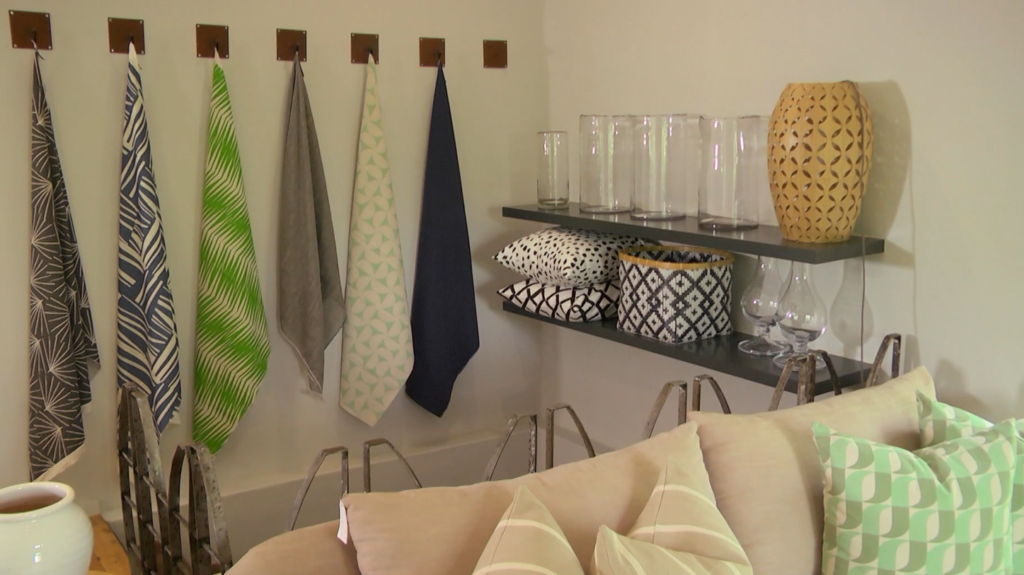
Personal spaces, like fashion, evolve. Ives recently shifted from a rustic, farmhouse aesthetic to a more contemporary setting, a transition achieved less through replacement than refinement. By editing possessions, simplifying layers, and updating fabrics, she preserved continuity while embracing change. This adaptability underscores a valuable principle: timeless pieces can survive stylistic shifts. A classic sofa, for instance, can feel entirely renewed with modern upholstery. Cushions, throws, and accessories become instruments of reinvention, allowing homeowners to experiment without erasing the past.
The Art of Rotation
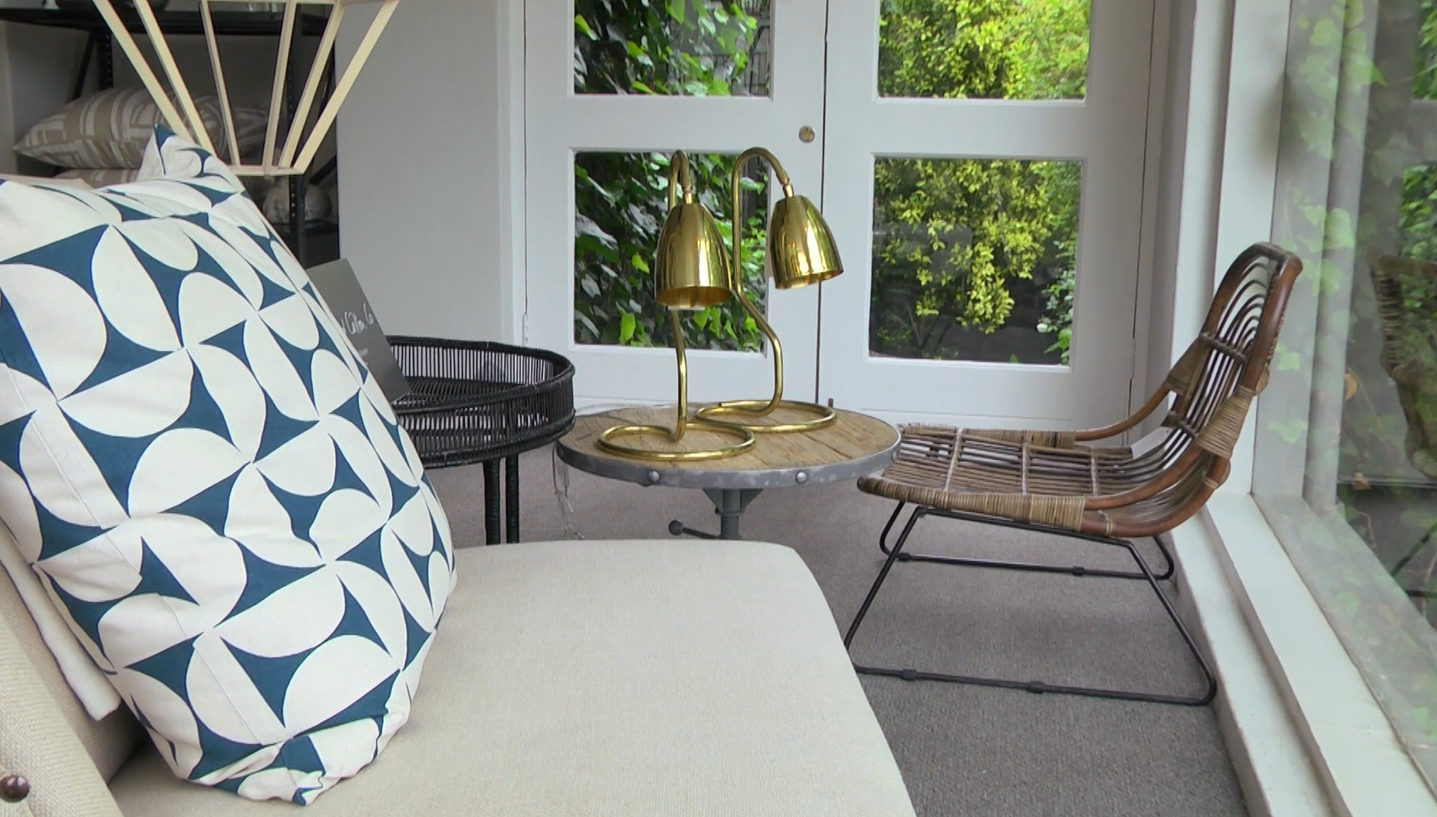
Trends fade and return; decorative objects can do the same. Rather than discarding items that feel momentarily out of step, storing and reintroducing them seasonally keeps interiors dynamic. Rotating ceramics, soft furnishings, or accent pieces invites creativity and prevents stagnation. Ultimately, seasonal decorating is less about fashion and more about attentiveness to climate, to mood, and to personal growth. A home that changes thoughtfully alongside its inhabitants becomes more than shelter. It becomes an evolving expression of time, texture, and taste.