A Habit That Hits the Body Hard
Smoking has long been known for its severe cardiovascular and lung consequences, but the concerns extend beyond the obvious. As explained by Dr. Yeshantha Padayachee, any condition already fueled by inflammation becomes worse, and everything from the lungs to the ear, nose, and throat can be aggravated. The core issue is simple: nicotine remains one of the most addictive substances we encounter, making it extremely difficult to stop once dependence forms.

The Shift to Vaping
For many, vaping enters their lives as an apparent alternative, sometimes to cigarettes, sometimes to hookah. Users often describe it as convenient, smoother, and less intrusive. It doesn’t cling to clothes or hands, the flavours are appealing, and you can use it indoors. Yet even those who prefer it acknowledge an uncomfortable truth: words like “healthy” and “vape” do not belong together.

New Trend, New Risks
Vaping carries its own chemical load. While it may contain fewer of the traditional toxins found in cigarettes, it introduces different substances with different effects on the body. The most concerning is the emerging condition known as popcorn lung, a type of fibrosis where the lung tissue hardens, losing its ability to function. Because vaping is relatively new, researchers still lack long-term data, but early signs point to significant harm.
Understanding the Mechanics of Damage
The oils and aerosols used in vapes behave much like the cooking sprays labelled “do not inhale.” When drawn directly into the lungs, they can trigger irritation, inflammation, and long-term structural damage. The danger is especially heightened for young users whose lungs are still developing. Schools increasingly report vape confiscations, highlighting a trend that health professionals find deeply worrying.

Comparing Two Harmful Options
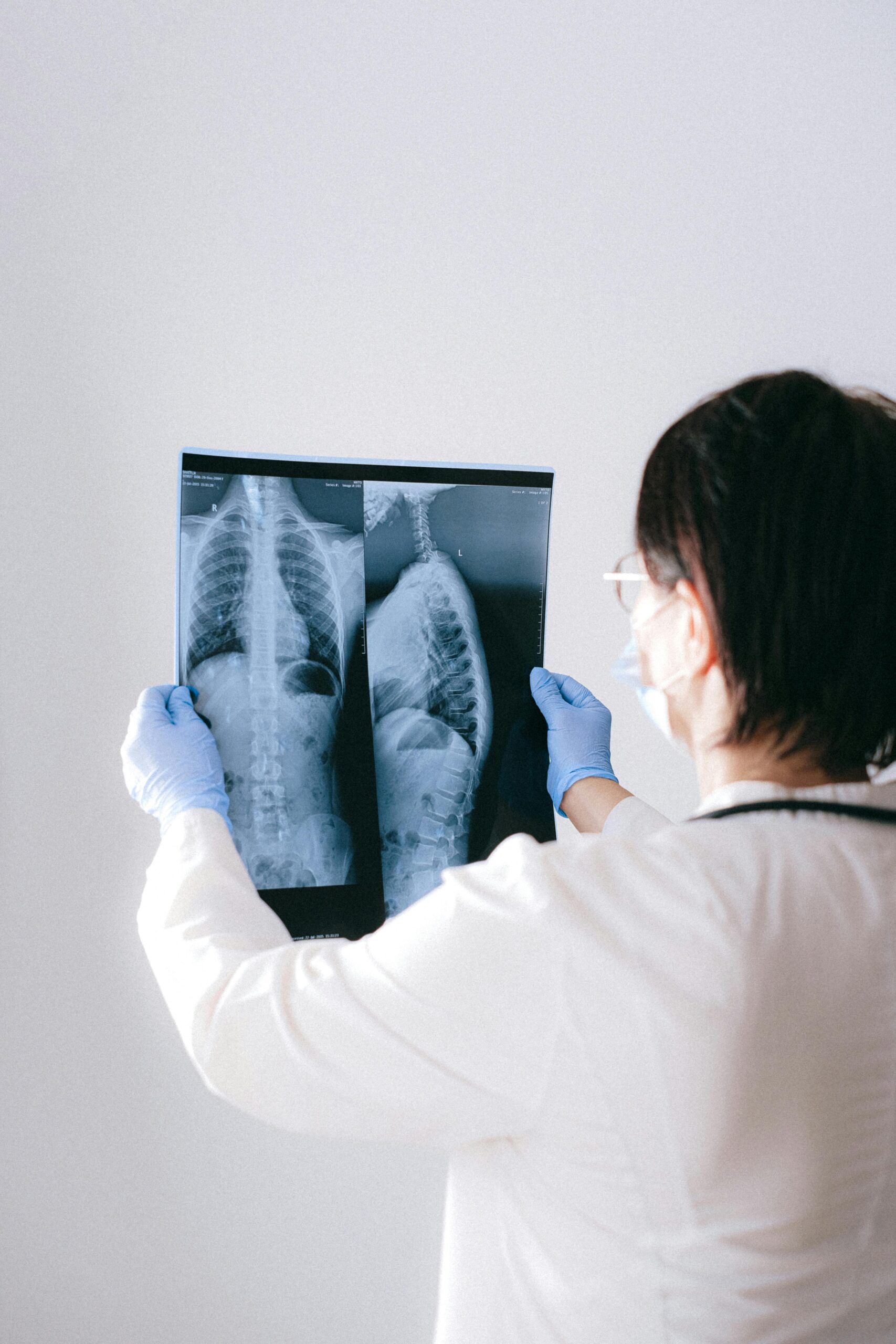
When placed side by side, vaping and smoking don’t offer a clear winner. Both bind emotionally to the user, both are addictive, and both compromise the one organ responsible for breathing: the lungs. While the mechanisms differ, tar on one side, aerosols on the other, the result is the same. Lung damage remains extremely difficult to reverse, even with advanced medical care.
Looking Beyond the Habit
Quitting either habit requires more than willpower. Because vaping and smoking are tied to emotional comfort, stress relief, and routine, the solution often lies in addressing the psychological layers behind the behaviour. As the long-term picture of vaping continues to unfold, one truth holds: protecting the lungs now is far easier than trying to repair them later.
Get in touch with Dr. Yeshantha Padayachee
https://shanthihealing.com/