Start Where You Are
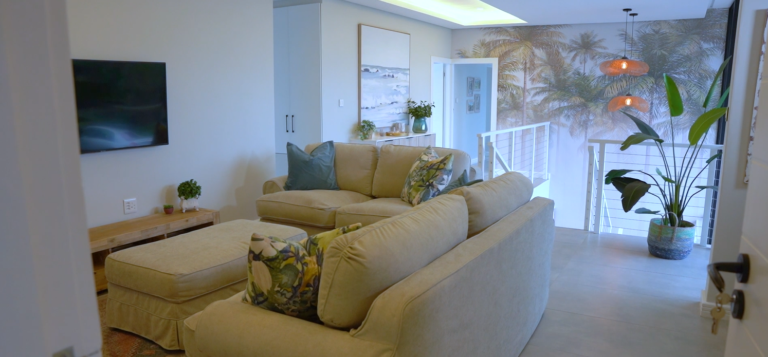
Whenever new growers insist they don’t have the space to grow food, the simplest answer is also the most liberating: start small. A windowsill with three pots, a balcony rail with a tub of lettuce, or a narrow corner for a few radish seedlings is enough to begin. Organic growing is not reserved for people with land; it’s for anyone willing to nurture a plant. Lettuce, radish, Swiss chard these easy crops can turn even the tiniest home into a source of nutrition.
The Light That Makes All the Difference
Sunlight is the quiet architect of every successful garden. Vegetables need six hours of it each day, but not all light is equal. Morning sun is gentle, steady, and encouraging, ideal for growth. Midday sun, directly overhead, is harsh and dehydrating. Late-afternoon sun can scorch leaves. For gardens hit by strong afternoon heat, a 35% shade net softens the blow without starving plants of light. In winter, though, every ray counts. Gardeners learn to read the sky the way others read maps, checking shadow lines from trees and walls, noting how seasonal changes reshape the same space.
Wind, Walls, and Other Invisible Forces
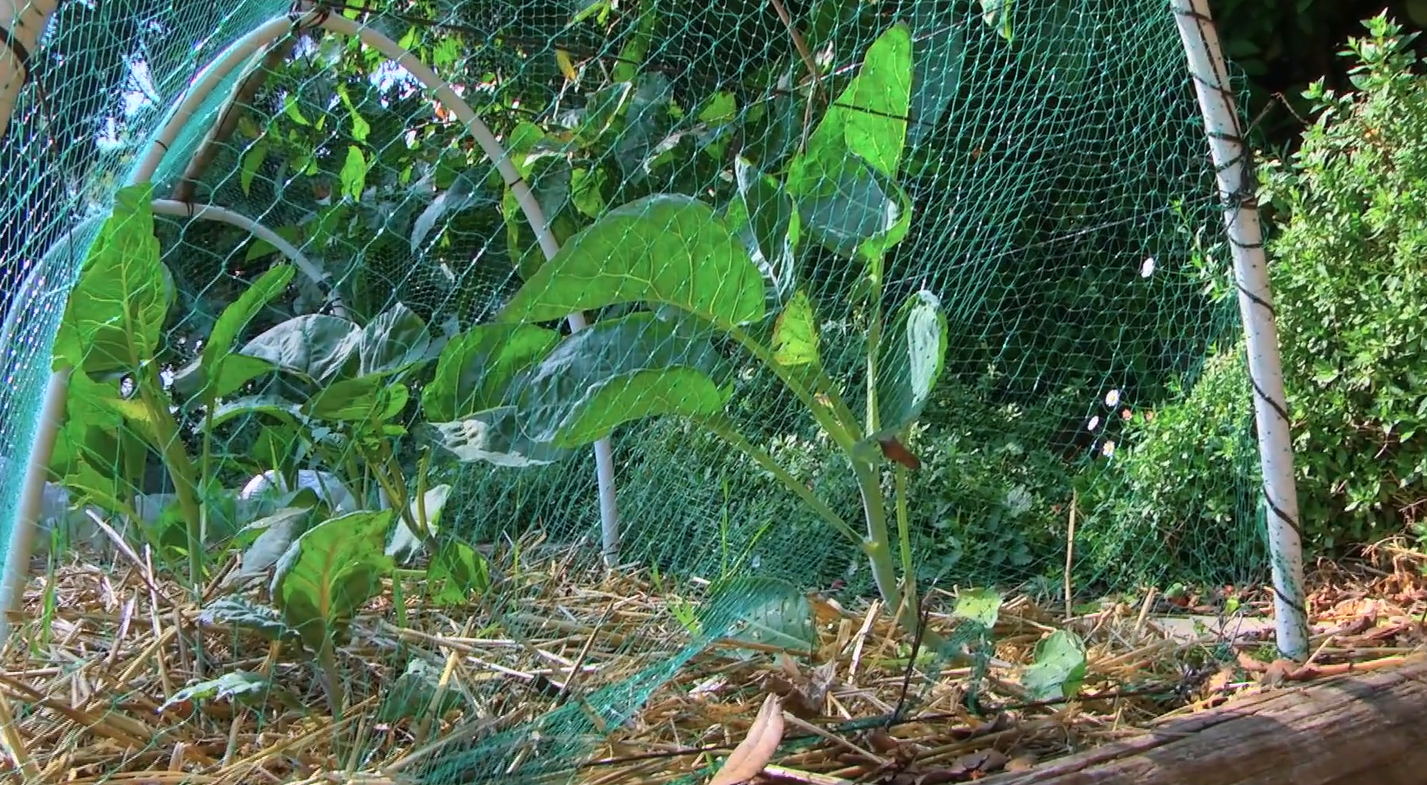
Small urban gardens face more than limited space, they contend with wind tunnels, heat pockets, and unpredictable microclimates. Wind, especially, can stunt plant growth by forcing excessive transpiration. The solution isn’t a solid wall but a breathable barrier: lattice fencing, mesh, or shade net used as a gentle windbreak. Light passes through, and so does softened air, protecting seedlings without suffocating them. Observing these subtle forces is part of the quiet skill of small-space gardening.
A Garden Built on Hard Ground
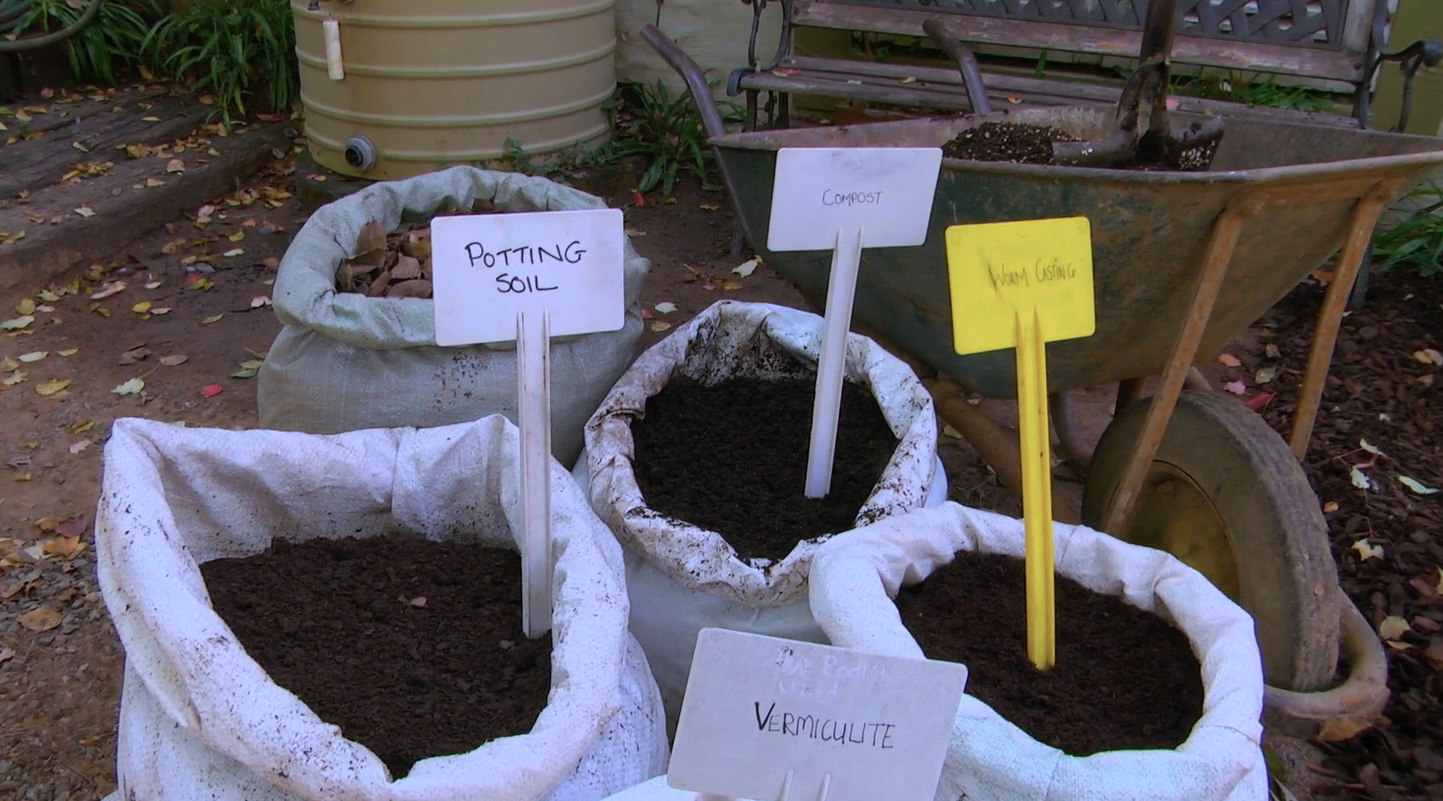
Creating a nine-square-metre garden from scratch on hard, flat ground might seem ambitious, but containers make it possible. Lightweight metal pots, 40 cm deep and 1.2 m long, or wider 60 cm planters, turn bare concrete into fertile territory. The secret lies in the soil. A simple recipe forms the foundation: two parts compost, two parts potting soil, two parts vermiculite, one part worm castings. Light, airy, and nutrient-dense, this mix gives roots room to breathe and grow. Even in large containers, a six-centimetre layer of drainage stones ensures water won’t suffocate the plants.
Watering with Intention
In a small garden, watering is more strategic than routine. Midday watering is avoided, as it burns leaves and wastes water through rapid evaporation. Morning watering is best, and drip systems make it even easier. A simple slow-release vessel can keep pots hydrated for up to a week, especially helpful for gardeners without easy access to taps. Each drop moves through the soil with gentle precision, stretching outwards in a 40 cm radius, small technology supporting even smaller ecosystems.
The Ritual of Planting and Mulching
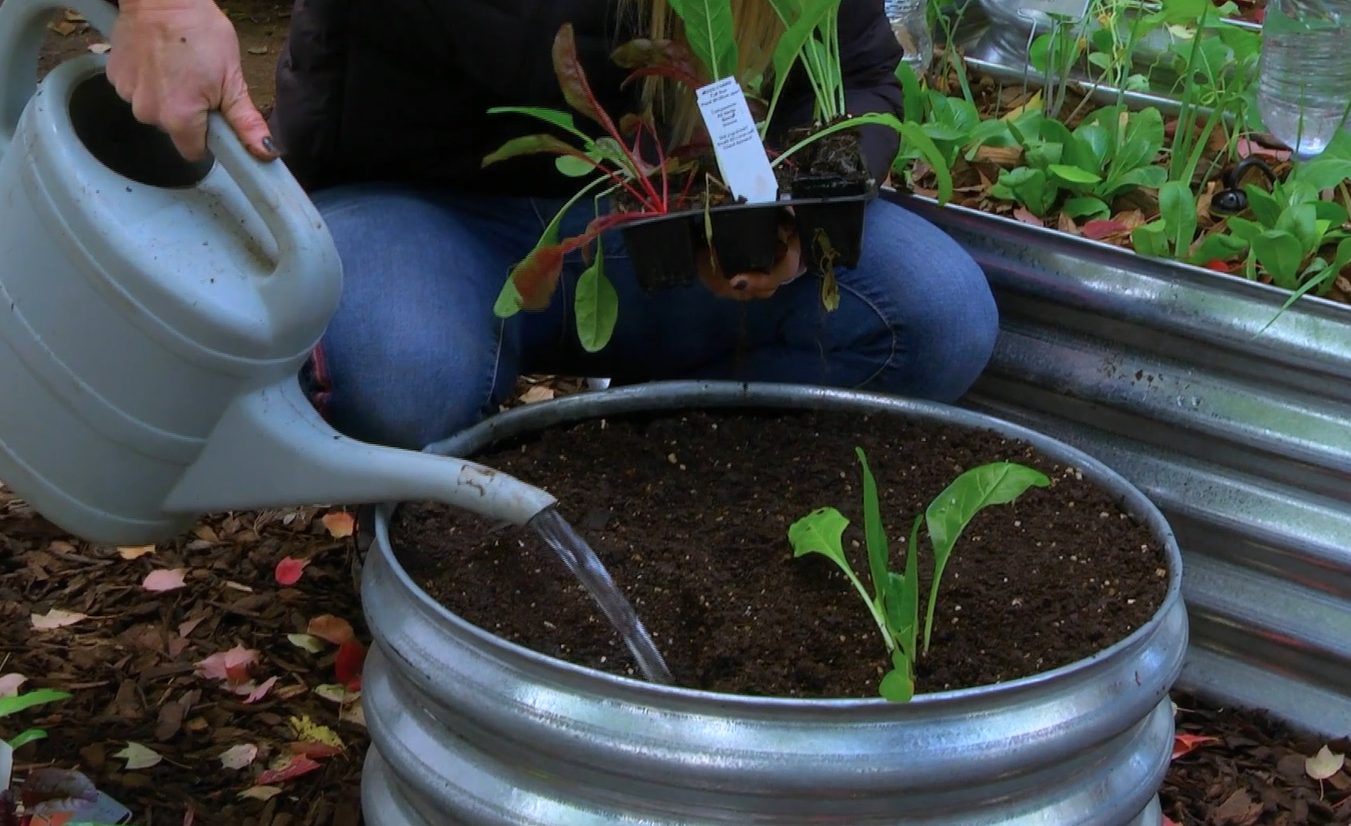
Planting is done slowly, one seedling at a time, each hole watered first to prevent transplant shock. Swiss chard, nutritious, colourful, and perfect for year-round harvesting, is planted in freshly mixed soil with about 20 centimetres of breathing space between each plant. Then comes the gardener’s secret armour: mulch. A six-centimetre layer of dry leaves or straw shields the soil from harsh rain, evaporation, and sun, helping retain vital moisture. It breaks down naturally, feeding the soil and inviting the quiet work of worms. Mulch disappears into the earth within weeks, and replenishing it becomes a rhythmic part of tending the garden.
In the end, the nine-square-metre garden stands as proof that organic food doesn’t demand land, only intention. A balcony, a courtyard, a few metal pots, and a willingness to observe sun, wind, water, and soil, that’s all it takes to grow abundance in the middle of the city.