Yoga is more than movement; it’s a return to yourself. In this session, we explore mindful breathing, gentle flow, and the powerful connection between body and mind. From downward dog to deep relaxation, this practice focuses on balance, spinal health, cellular renewal, and the calming benefits of intentional breathwork. Whether you practice daily or once a week, taking time to slow down can restore energy, improve flexibility, and support overall well-being, without leaving you exhausted.
Press play, find your center, and feel the difference.
A Return to the Body
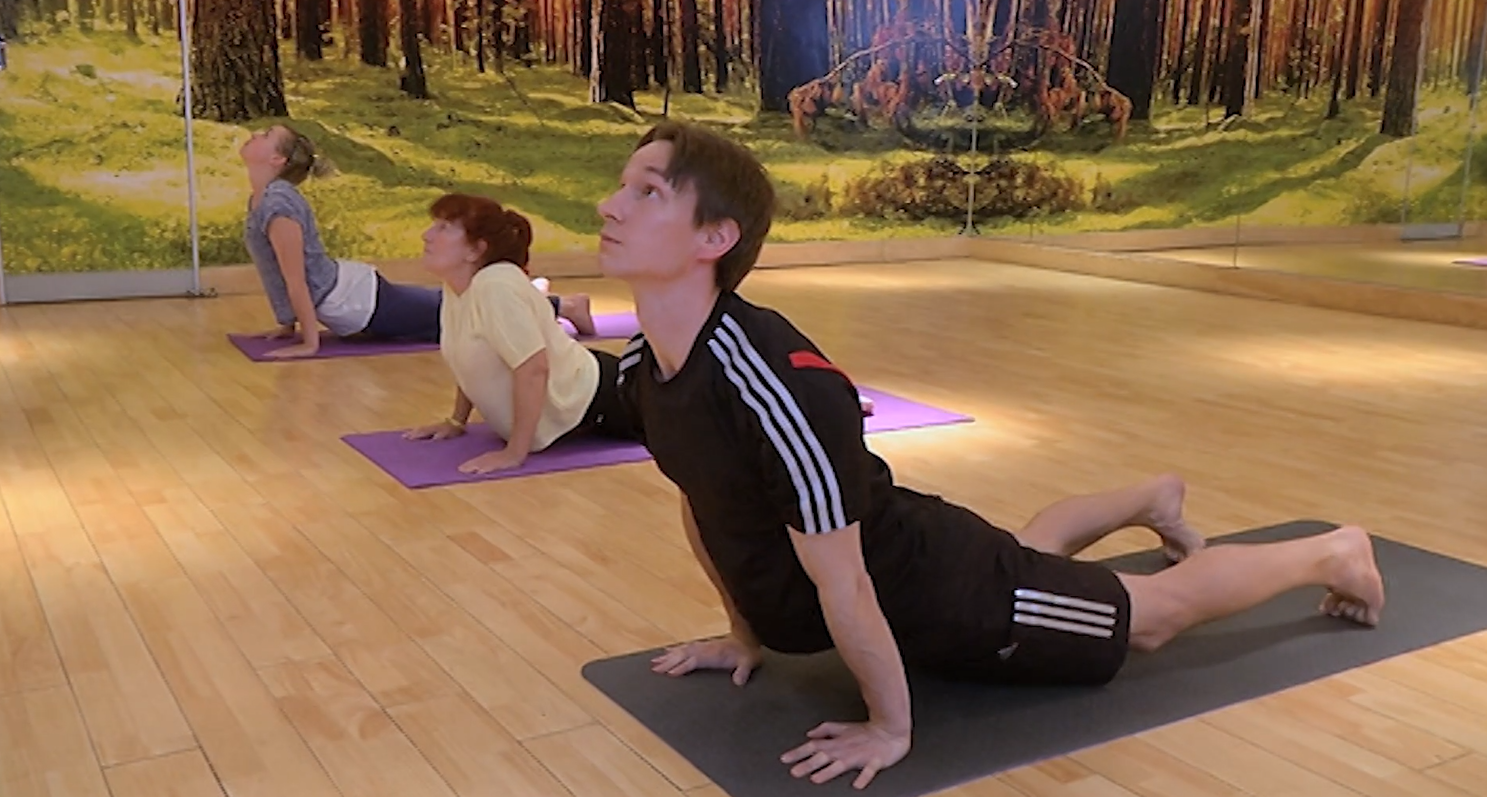
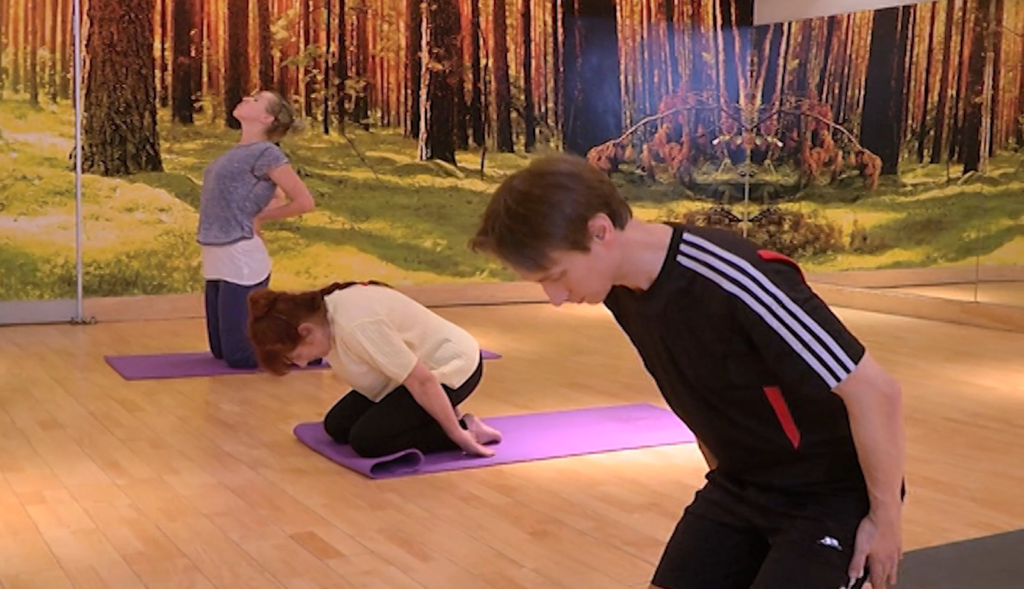
“Feeling better?” The question lingers gently at the close of a session, but it begins much earlier with a single breath. Yoga opens not with intensity, but with awareness. Practitioners are guided to locate their center, inhale deeply, and move with intention into familiar postures like downward dog or child’s pose. The emphasis is not on performance, but presence, an approach taught by yoga instructor Kathleen Elder.
An Ancient System of Energy
Often described in Eastern traditions as a science, yoga was developed as a structured way to understand and direct the body’s energy. While widely adopted in the West as a form of exercise, its original purpose runs deeper. The practice seeks alignment not only of muscles and joints but also of breath, attention, and internal rhythm. Movement becomes a method of restoring equilibrium.
Breathing as Restoration
Central to yoga is the discipline of breathing correctly. Slow, controlled inhalations and exhalations increase oxygen delivery throughout the body, supporting cellular renewal. In combination with stretching and circulation, this process aids detoxification and improves nutrient absorption. The result is not a dramatic transformation, but steady maintenance, a body functioning more efficiently over time.
The Calm That Sustains Youth
Yoga’s influence extends beyond the physical. Concentrating on breath and posture reduces mental clutter, encouraging clarity and emotional steadiness. Many practitioners describe a heightened awareness of self, a quiet confidence that emerges from sustained focus. This calming effect may play as significant a role in longevity as flexibility or muscle tone.
Spinal Health and Subtle Strength
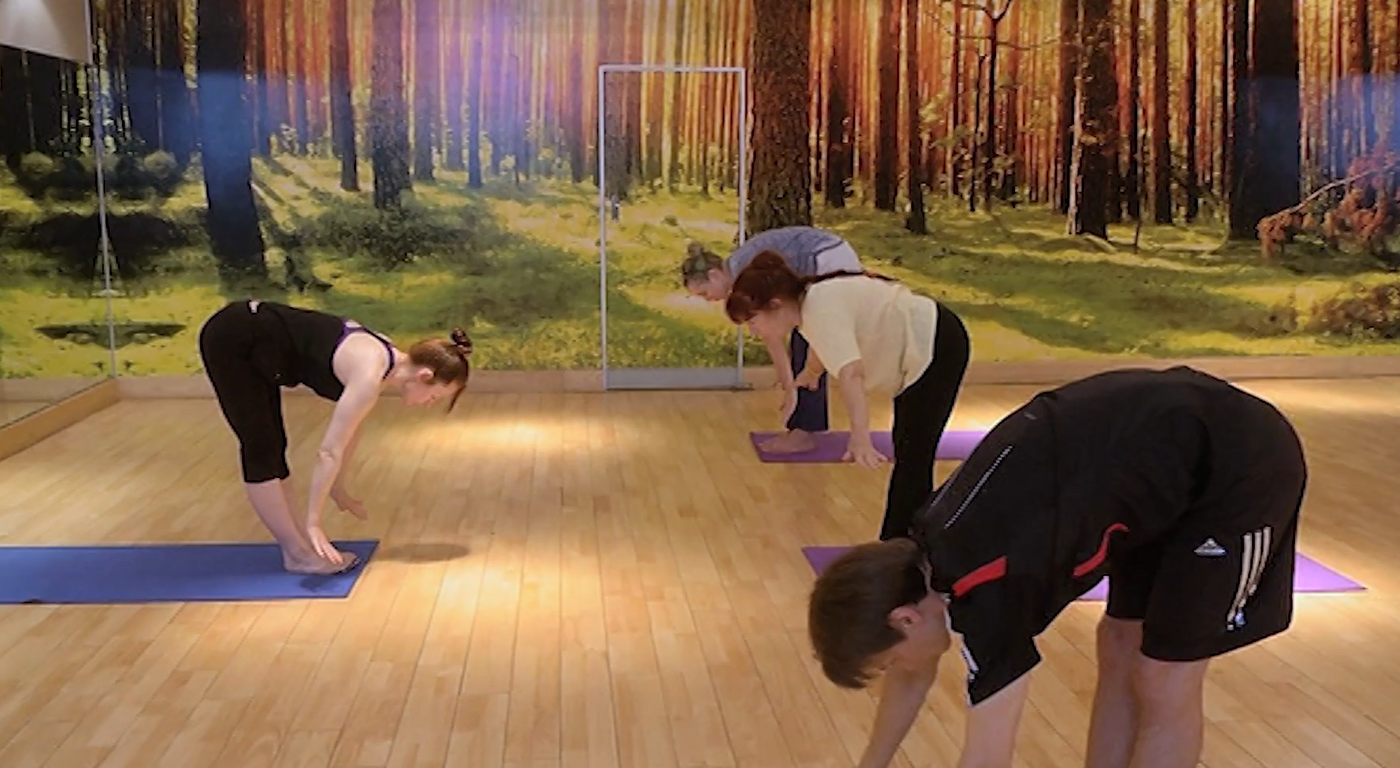
There is an old belief that age is measured by the condition of the spine. Through gradual extension, flexion, and controlled transitions between poses, yoga supports spinal mobility and the central nervous system. Unlike high-impact workouts, it strengthens without strain and energizes without exhaustion, making it adaptable to different stages of life.
The Discipline of Time
Whether practiced daily or a few times a week, yoga’s deeper challenge lies in consistency. Setting aside even one uninterrupted hour requires intention. Yet that pause, time devoted solely to breathing, moving, and observing, may be its most valuable offering. In choosing stillness, practitioners cultivate resilience, clarity, and a quieter form of strength.