Discover how easy it is to grow, harvest, and replant turmeric right from your garden or balcony. From its powerful health benefits to simple planting tips using fresh rhizomes, this step-by-step guide shows you how to enjoy a continuous supply of this golden root at home. Fresh, fragrant, and incredibly rewarding to grow!
A Plant With Purpose
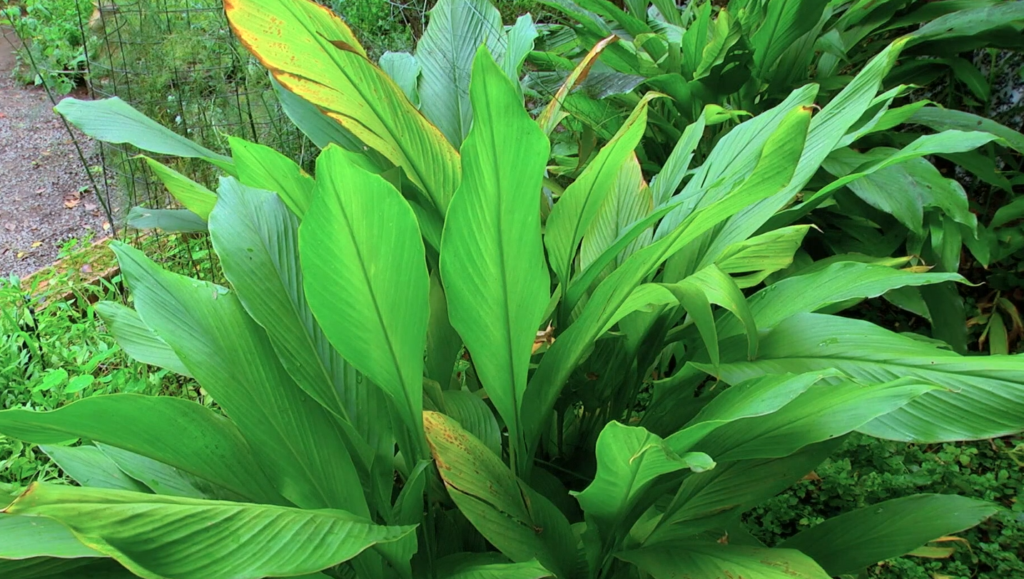
Few garden plants offer as much beauty and benefit as turmeric. Revered for its powerful anti-inflammatory properties, this golden rhizome is as valuable in the kitchen as it is striking in the garden. Easy to grow and rewarding to harvest, turmeric earns its place as a year-round staple, one that can be eaten daily, whether fresh, cooked, or dried into powder. Beyond its health benefits, turmeric is generous in form. With broad, elegant leaves and a lush presence, it adds a tropical note to any space, whether planted in the ground or thriving in a pot on a balcony, an approach shared by Linda Galvad of Sought After Seedlings.
From Garden to Plate
Turmeric’s versatility is part of its appeal. Fresh rhizomes can be juiced, cooked into everyday meals, or added to fried dishes for both flavour and nourishment. Once dried, turmeric can be ground into a vibrant powder using nothing more than a coffee grinder, ready to be stored and used when needed. Even the leaves play a role in the kitchen. Wrapped around fresh fish and baked, they impart a delicate fragrance that transforms a simple dish into something memorable, a technique inspired by coastal cooking traditions.
Understanding the Growth Cycle
Turmeric is a summer-growing perennial, flourishing in warm months before dying back in winter. Though it may disappear below the soil during colder seasons, it reliably resurfaces in spring, renewed and vigorous. This natural cycle allows for repeated harvesting over time, making it an enduring addition to the home garden. As a rhizome, turmeric spreads horizontally beneath the soil. When grown in pots, this growth is naturally contained, making it ideal for small spaces while still producing a generous yield.
Harvesting Without Harm
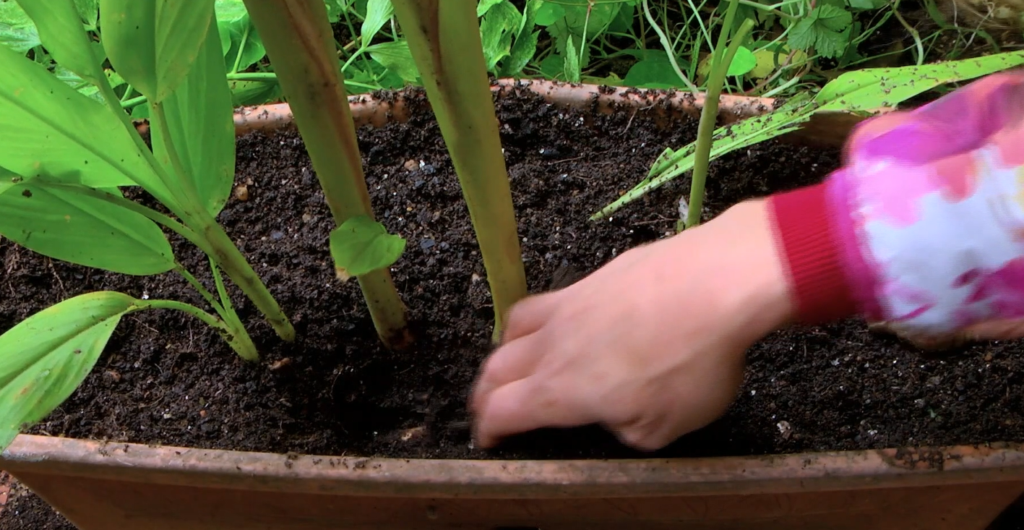
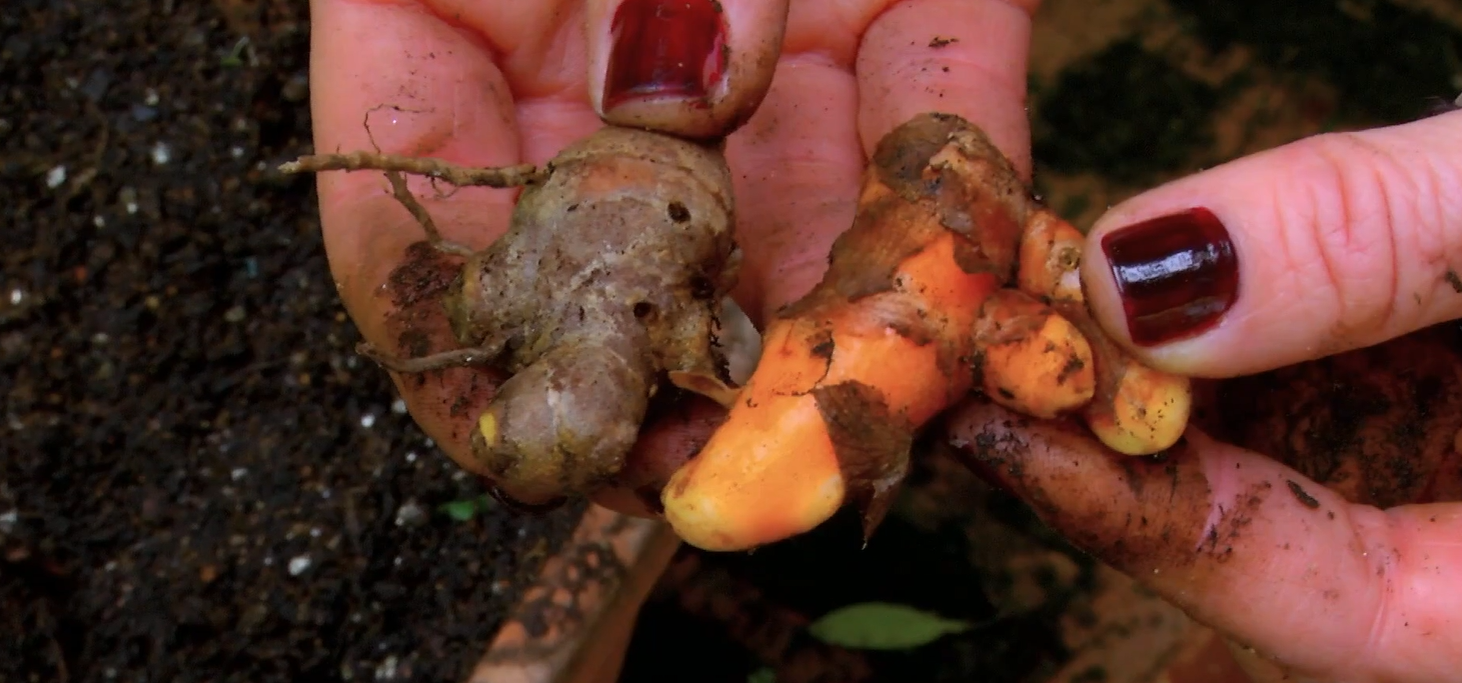
One of turmeric’s most appealing qualities is how forgiving it is to harvest. By gently digging beside the main stem and slicing off only what is needed, the plant remains undisturbed and continues to grow. The freshly harvested rhizome reveals its unmistakable bright orange flesh, a vivid reminder of its potency. Though the colour may linger on fingers, a simple rinse with lemon removes the stain. More importantly, the plant shows no sign of stress, proving that mindful harvesting can be both productive and sustainable.
Growing Turmeric at Home
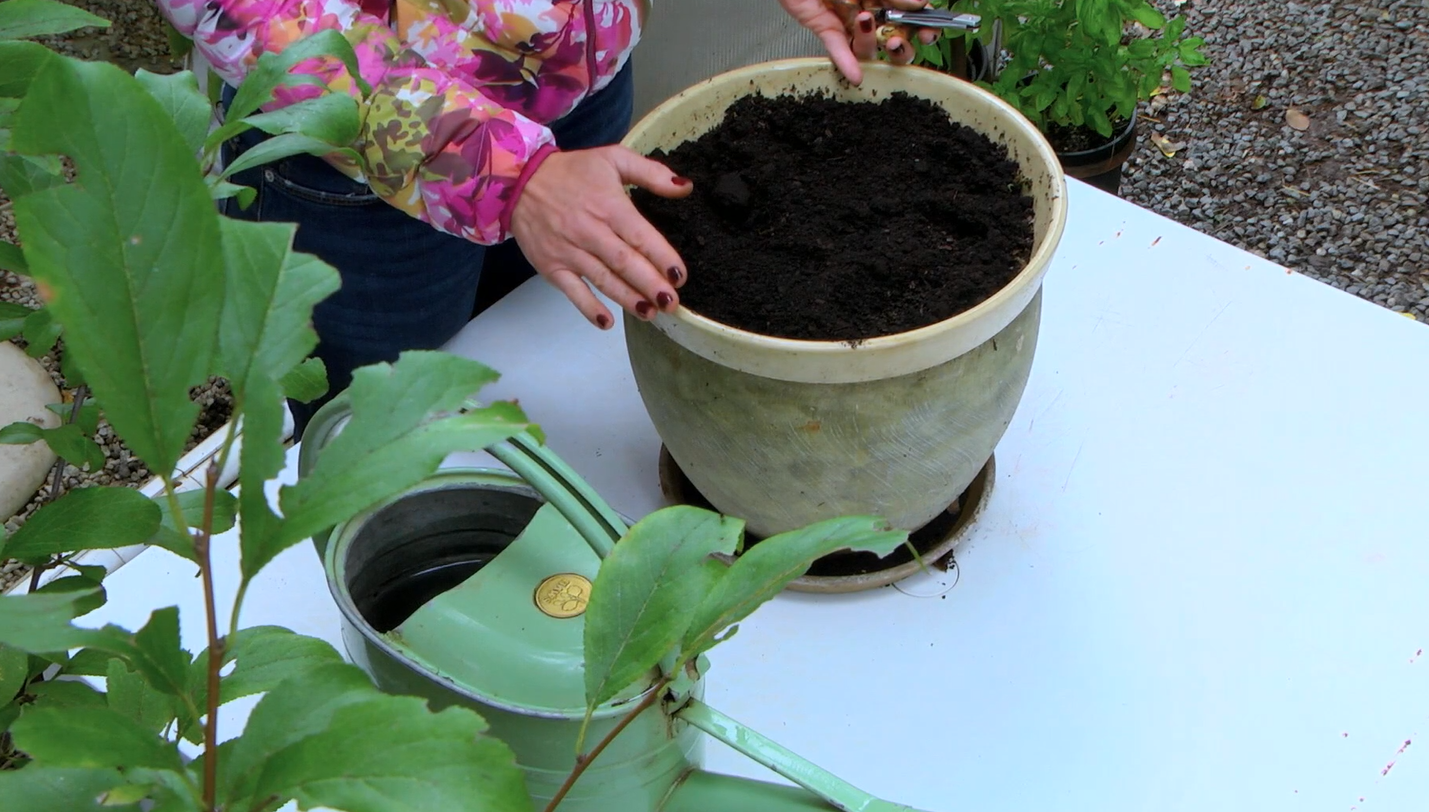
Propagating turmeric is remarkably simple. Small sections of rhizome, no more than a few centimeters long, are all that’s required. Planted shallowly in nutrient-rich, well-draining soil and kept consistently moist, these pieces will develop into full plants within weeks. A deep pot filled with organic compost, vermiculite for moisture retention, and vermicast for nourishment provides an ideal environment. Orientation matters little; turmeric finds its way upward on its own, guided by nature rather than precision.
A Slow, Rewarding Harvest
Patience is key. Shoots typically emerge within a month, while harvesting becomes possible after eight months to a year. With regular watering and care, a single plant can supply turmeric continuously, season after season. In the end, turmeric offers more than flavour or health benefits. It represents a return to simple, intentional gardening, growing something beautiful, useful, and deeply connected to the rhythms of nature.