Mobility isn’t just about stretching; it’s about moving efficiently, building strength through range, and protecting your body from injury. In this video, we guide you through a complete mobility routine, from dynamic warm-ups to targeted mobility and strength exercises, finishing with a relaxing cool-down. Perfect for improving joint health, balance, flexibility, and overall fitness.
Beyond Flexibility
Mobility is often mistaken for simple flexibility, yet it is far more dynamic. True mobility is the ability to move efficiently, with control and strength, through a full range of motion. It determines how well we perform in workouts, how quickly we recover, and how freely we navigate daily life. When joints move well, and muscles respond as they should, the body works as an integrated, resilient system, one far less prone to strain or injury. Prioritizing mobility is not reserved for athletes. It is a fundamental component of overall fitness, contributing to reduced soreness, improved posture, and long-term joint health.

Preparing the Body to Perform
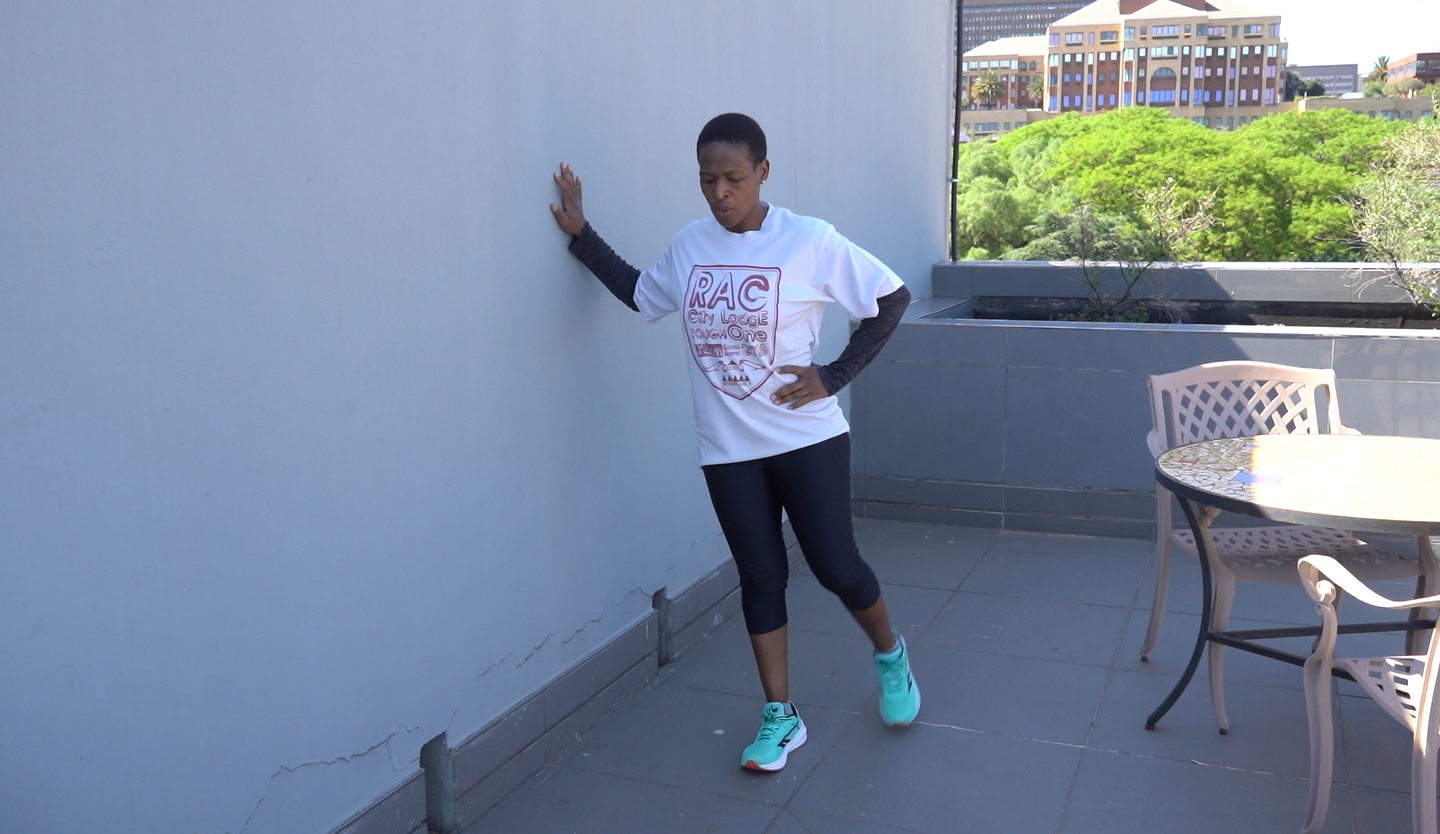
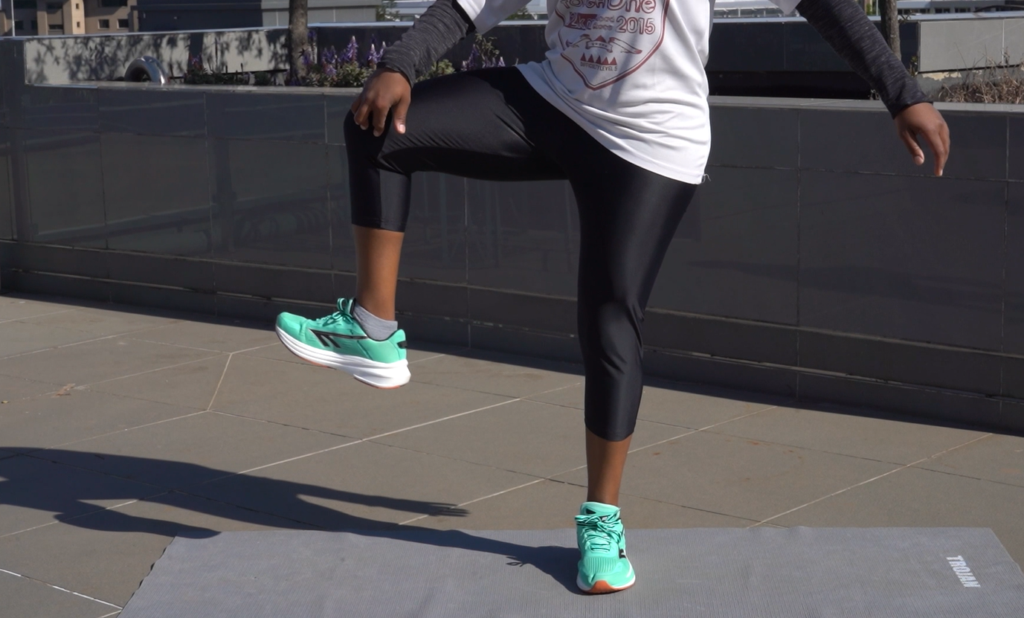
Every effective mobility routine begins with a dynamic warm-up. Gentle, controlled movements such as leg swings, arm circles, and hip openers awaken the muscles and lubricate the joints. These exercises increase blood flow while preparing the hips, shoulders, and lower back for more demanding movement. This preparatory phase is essential. By loosening tight hip flexors, activating stabilizing muscles, and mobilizing the shoulders, the body transitions smoothly from rest to action, reducing the risk of injury and enhancing performance.
Strength as a Partner to Mobility
Mobility does not exist in isolation; it thrives alongside strength. Exercises such as lunges, plank variations, and single-leg deadlifts reinforce the muscles that stabilize joints. Strong hips, a stable core, and balanced hamstrings ensure that the newly gained range of motion is supported and controlled. This partnership between strength and mobility is what creates functional fitness, the kind that improves athletic performance while also making everyday activities feel easier and more fluid.
Building Range and Control
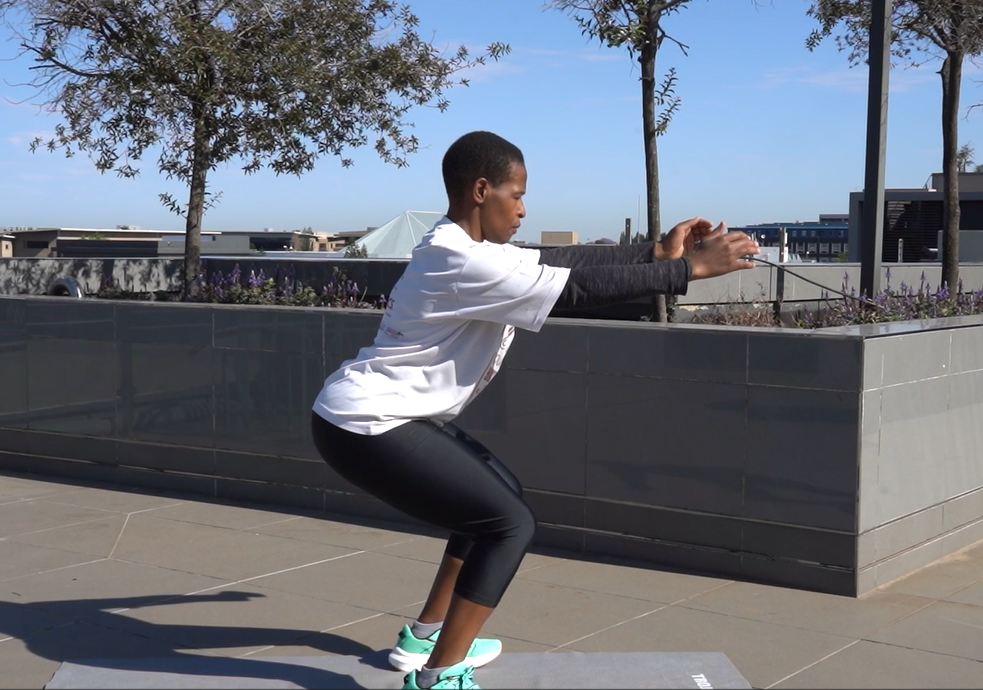
Once warmed up, deeper mobility work expands joint range of motion. Holding a deep squat, for instance, opens the hips while strengthening the lower body. Controlled spine rotations from a tabletop position improve upper-back mobility, a crucial counterbalance to long hours spent sitting. Even the ankles, often overlooked, benefit from focused attention. Gentle rocking movements in a kneeling position enhance flexibility and stability, supporting better balance and more efficient movement patterns throughout the body.
The Importance of Recovery
A thoughtful cool-down completes the cycle. Hamstring stretches, figure-four hip openers, and restorative poses like child’s pose help release tension and encourage muscle recovery. Slowing the breath and easing into stillness allows the body to absorb the benefits of the session. These final moments are not merely optional extras; they reinforce flexibility, calm the nervous system, and reduce post-exercise stiffness.
Movement as a Lifestyle
Mobility training extends beyond structured routines. Walking, hiking, swimming, yoga, and Pilates all nurture joint health and coordinated movement. When practiced consistently, these activities cultivate strength, balance, and endurance in equal measure. Ultimately, mobility is about longevity. It is the quiet discipline that keeps the body adaptable and capable, enabling us not only to train harder, but to move through life with confidence, stability, and ease.