A study in space, routine, and quiet design discipline
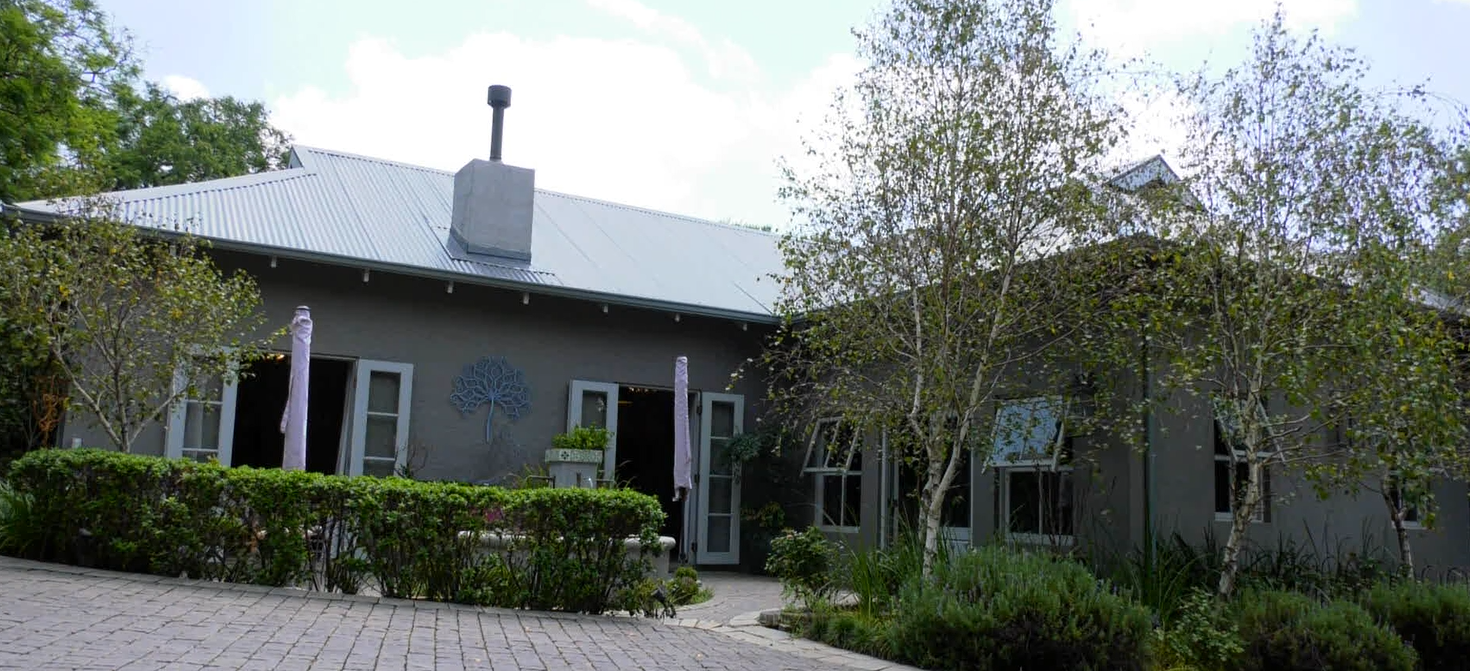
In Bryanston, a suburb defined by its established greenery and low-density character, this home reflects a particular way of living rather than a display of excess. As noted by Madri Sassenberg of Harcourts, alongside the homeowners, the emphasis is less on statement and more on how spaces are used, how they support both the predictable patterns of family life and the occasional need for gathering.
Continuity Over Contrast
The internal layout avoids sharp distinctions between formal and informal zones. Living areas open into one another, allowing movement without interruption and reducing the sense of compartmentalisation often found in larger homes. The entertainment spaces sit within this flow, not separate from it, which makes shared use feel incidental rather than planned.
A Functional Centre
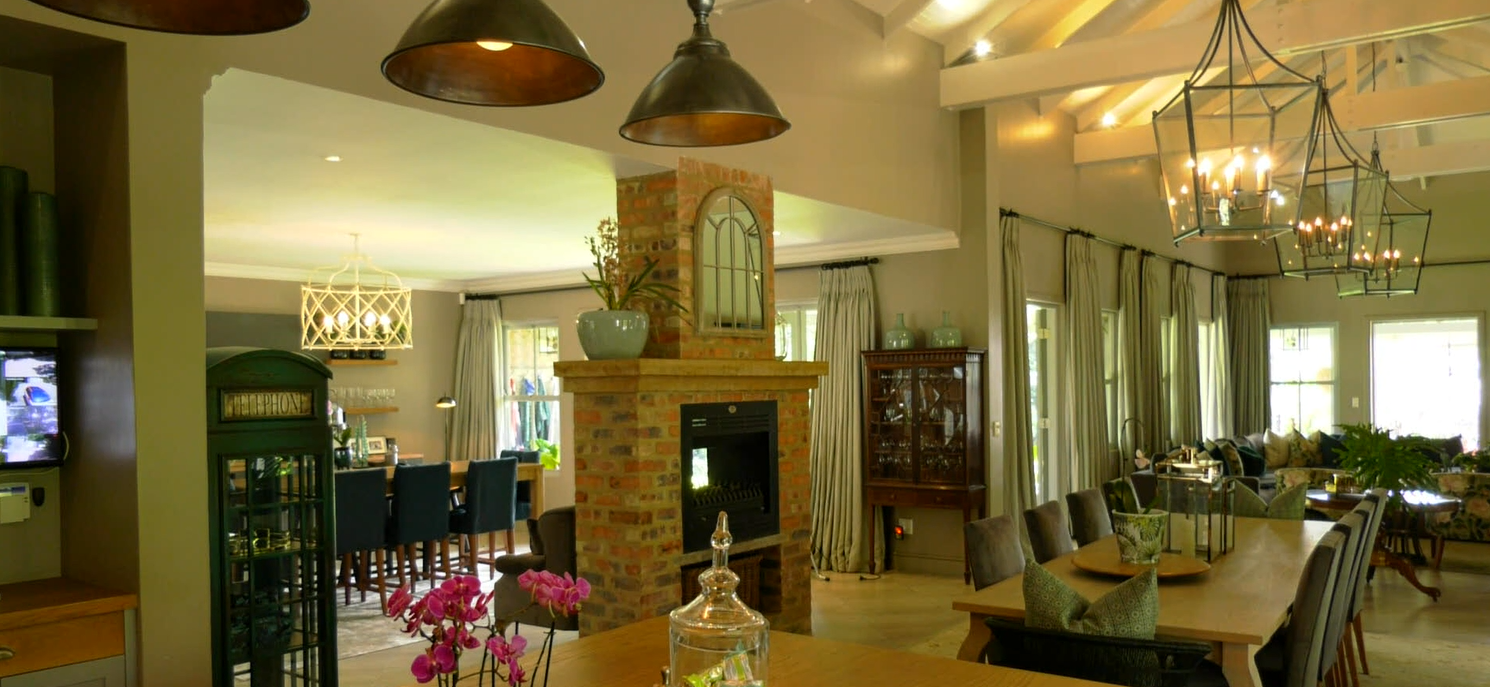
The kitchen occupies a central position, both physically and socially. Its scale allows it to function beyond food preparation, accommodating conversation, work, and informal meals. A double-sided fireplace offers a practical response to seasonal change and reinforces the connection between adjoining spaces.
Upstairs: Routine and Privacy
The upper level shifts toward privacy without complete isolation. Five en-suite bedrooms follow a consistent design language, prioritising proportion and usability. A shared pajama lounge introduces a semi-communal space, part study, part retreat, where daily routines such as homework or quiet work can unfold without requiring full separation from the rest of the household.
Outdoor Space as Extension
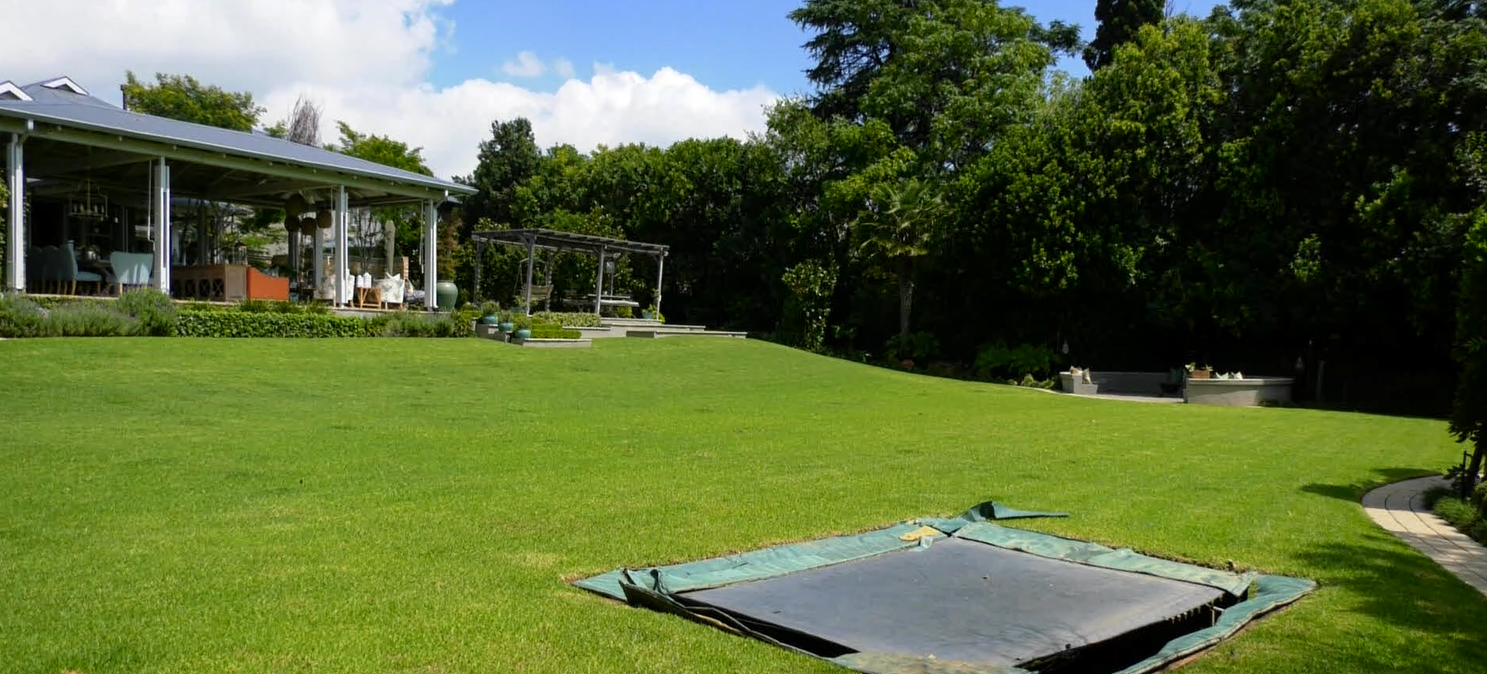
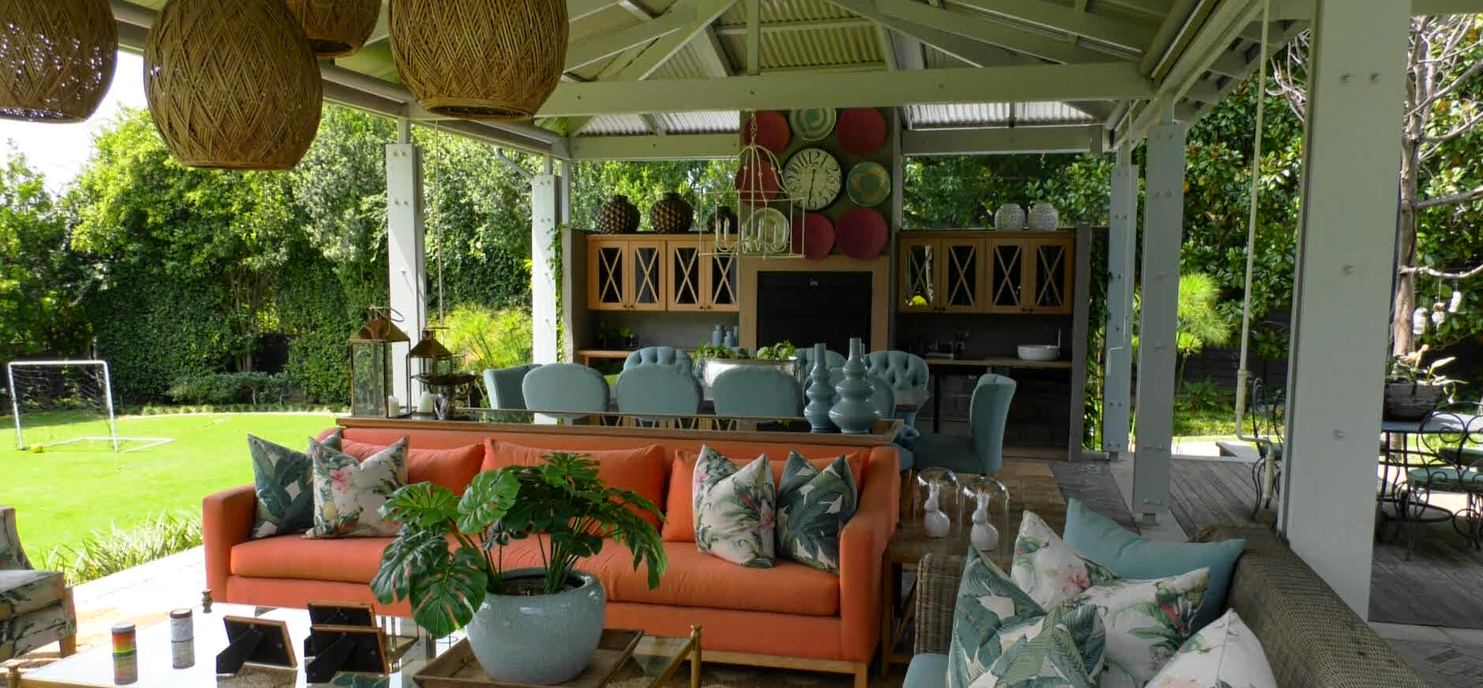
The garden, set across roughly an acre, is structured but not rigid. Irrigated by a borehole, it supports a landscape that feels sustained rather than ornamental. Verandas and openings from the main rooms encourage regular interaction with the outdoors. At the same time, the pool and fire pit areas suggest use across different times of day rather than a single, fixed purpose.
Practical Considerations
Certain features speak more to context than luxury. A backup generator addresses ongoing power disruptions, and the inclusion of a second dwelling, studio, and staff accommodation points to flexibility in occupation. The property’s position within a secured area adds another layer of practicality, aligning with broader concerns around safety and continuity in daily living.