Pregnancy is more than a physical journey; it’s a full-body transformation. In this video, we explore how reflexology supports mothers through every trimester, helping balance hormones, ease discomfort, and promote deep relaxation. Discover how this gentle therapy can make a meaningful difference throughout the nine months.
How reflexology supports the body, mind, and emotional rhythm of motherhood
Pregnancy is often described as a journey, but in reality, it is a profound transformation unfolding across multiple dimensions at once. As explained by Michelle Walton, a therapeutic reflexologist, a woman’s body undergoes four major shifts: hormonal, emotional, metabolic, and physical over nine months. These changes are not isolated; they are deeply interconnected, shaping both the mother’s well-being and the baby’s development. Within this delicate balance, reflexology emerges as a gentle, supportive practice aimed at helping women feel grounded, comfortable, and emotionally steady throughout each stage.

A Language Written in the Feet
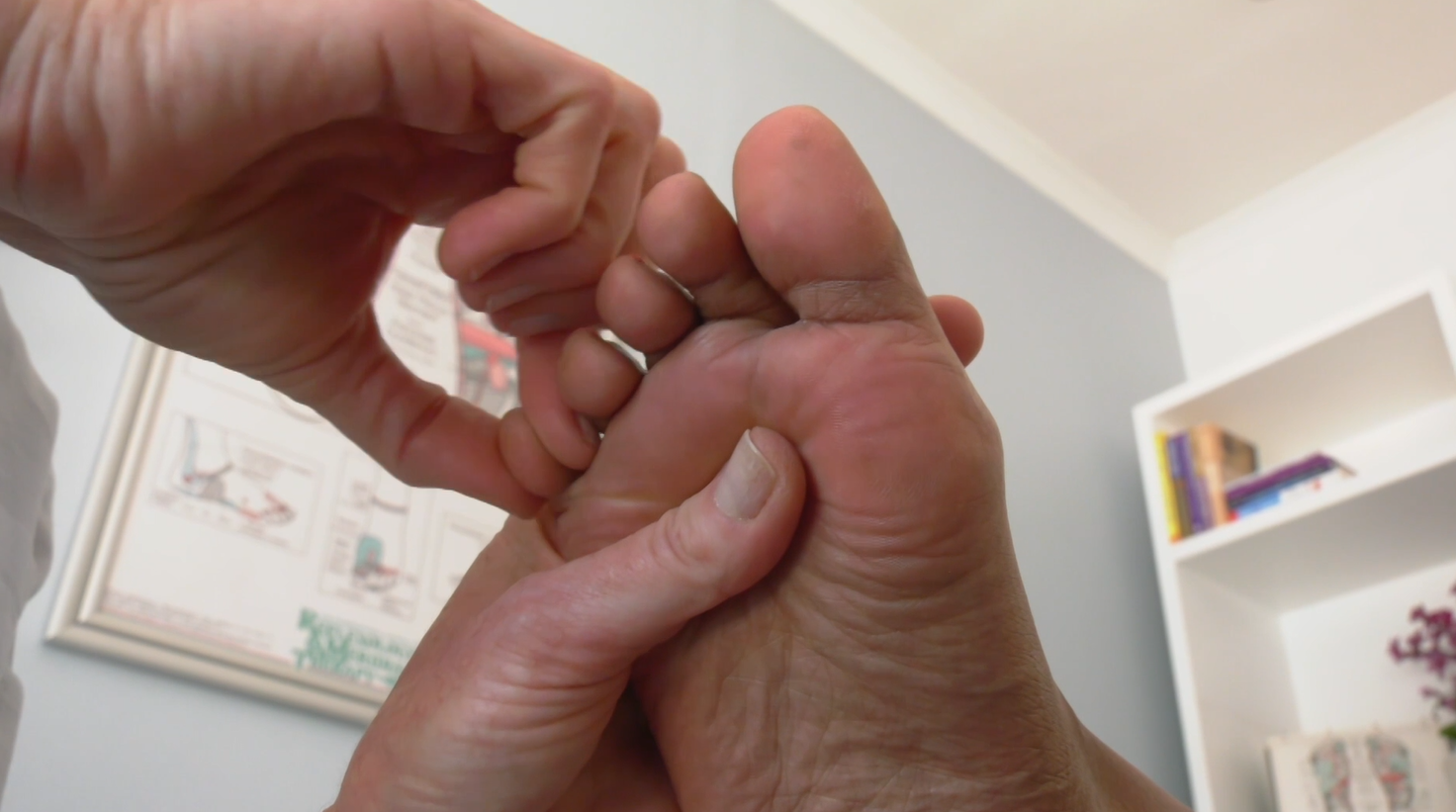
Reflexology works through precise finger and thumb techniques applied primarily to the feet, where mapped reflex points correspond to different organs and systems in the body. By stimulating these areas, practitioners aim to send signals through the nervous system and endocrine pathways, encouraging the body to regulate itself. The process is subtle but intentional supporting hormonal balance, calming the mind, and initiating the body’s natural healing responses without intrusion.
The First Trimester: A Storm Beneath the Surface
The earliest stage of pregnancy is often the most internally intense. Hormones surge dramatically, with estrogen levels rising to extraordinary heights. This shift can bring nausea, fatigue, emotional sensitivity, and digestive discomfort. Reflexology during this phase focuses on stabilising the endocrine system and easing symptoms like morning sickness and indigestion. It also addresses the emotional turbulence that often accompanies these rapid physiological changes, helping women find steadiness during an otherwise overwhelming time.

The Second Trimester: A Gentle Expansion
Often referred to as the “honeymoon phase,” the second trimester introduces a sense of ease as the body adjusts. Yet beneath this calm, significant physical developments begin, including weight distribution changes, circulation shifts, and swelling may occur. Reflexology during this period leans into prevention and management, supporting blood flow, reducing fluid retention, and maintaining overall balance. It becomes less about reacting to discomfort and more about sustaining well-being as the pregnancy becomes visibly real.
The Third Trimester: Preparing for Arrival
As the body prepares for birth, physical demands intensify. Pain management, fluid retention, and circulation become key concerns, alongside the need to support vital organs like the kidneys. Reflexology sessions during this stage are tailored to relieve pressure, encourage lymphatic drainage, and gently prepare the body for labour, regardless of whether birth will be natural or surgical. The emphasis is on readiness, both physically and mentally, ensuring the mother feels supported as she approaches delivery.
Rest, Restore, and Reconnect
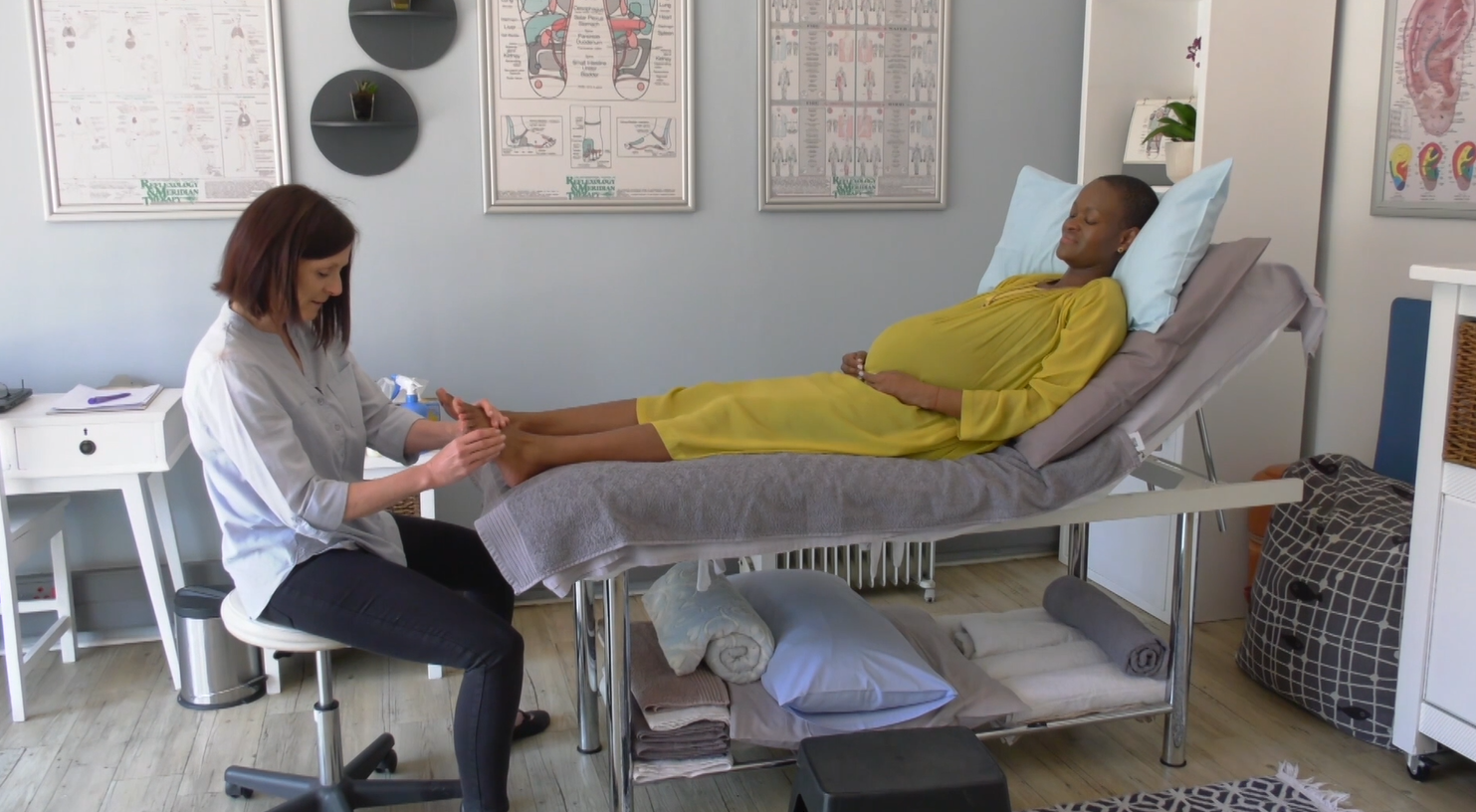
Beyond physical relief, one of reflexology’s most valued effects is its ability to shift the body from a state of stress to one of deep relaxation. By activating the parasympathetic nervous system the “rest and digest” mode allows the body to recover, reset, and function optimally. In a world where many women work until the final weeks of pregnancy, this intentional pause becomes essential. Reflexology, in this sense, is not just therapy; it is a quiet, consistent act of care, reminding mothers to support themselves as much as they nurture new life.