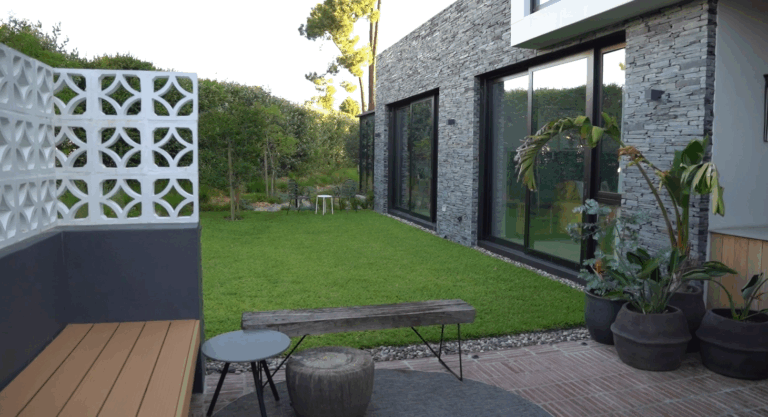
Discover the ancient healing art of Thai therapy A practice rooted in movement, stretching, and mindful restoration. From royal Thai history to modern well-being, we explore how this centuries-old tradition continues to support balance and relaxation.
A Tradition of Touch, Movement and Mindful Restoration
Long before wellness became a modern preoccupation, healing was rooted in ritual, philosophy, and community care. Thai therapy traces its origins back more than two millennia to ancient India, during the time of the Buddha. Historical tradition speaks of a physician, often identified as Shivago Komarpaj, whose medical knowledge blended spiritual understanding with physical treatment. Over time, these principles travelled to Thailand, where they were preserved, adapted, and integrated into local culture. What emerged was not merely a massage technique, but a holistic system of bodywork grounded in balance and attentive touch an approach reflected in the work of Purilarb Tommy Chernogphatthana, founder of Puri Thai Massage.
From Oral Tradition to National Heritage
For centuries, Thai therapeutic knowledge was passed down through generations by word of mouth. Its formal preservation gained momentum during the reign of King Rama III in the 19th century, when traditional medicine was documented and taught more systematically. In Bangkok, inscriptions detailing massage lines and techniques were carved into temple grounds, ensuring that the practice would endure. This institutional recognition marked an important shift, Thai therapy became both cultural heritage and structured discipline, linking spirituality, anatomy and movement.
Movement as a Healing Language
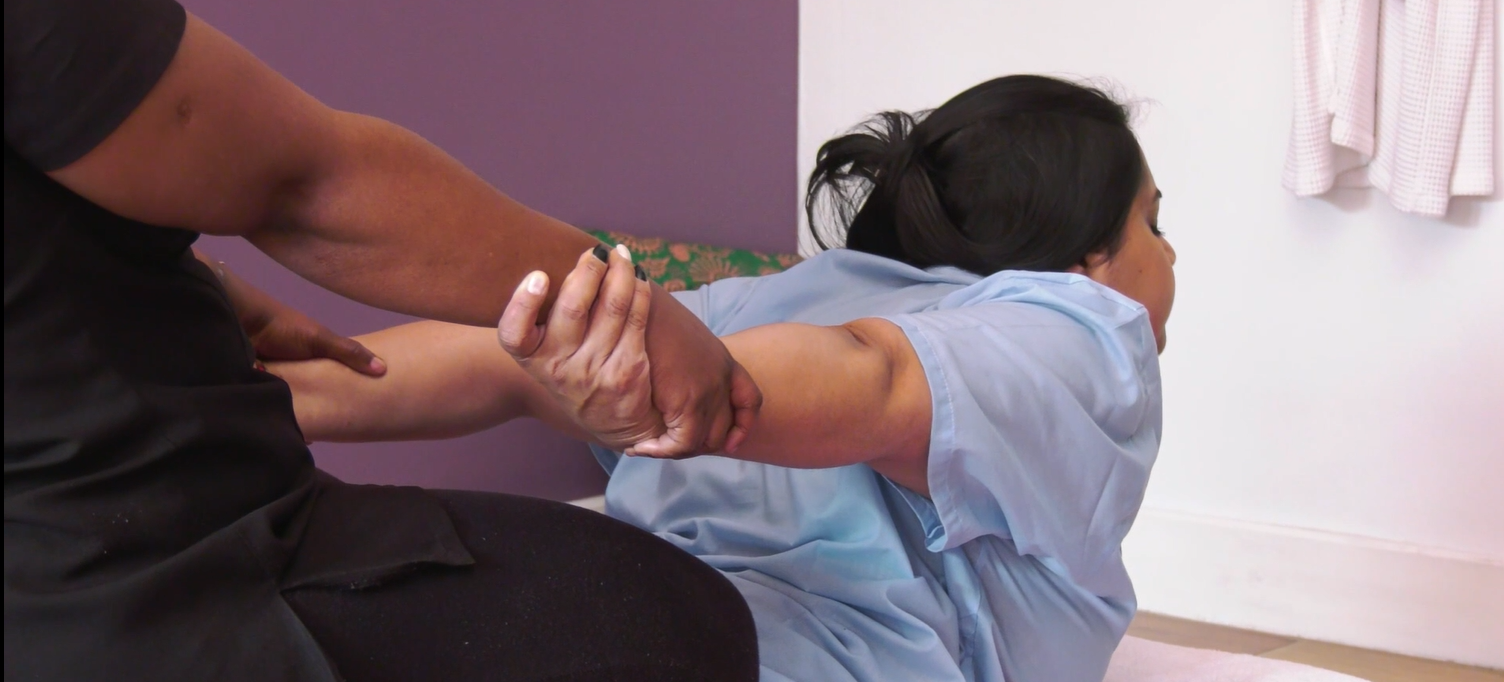
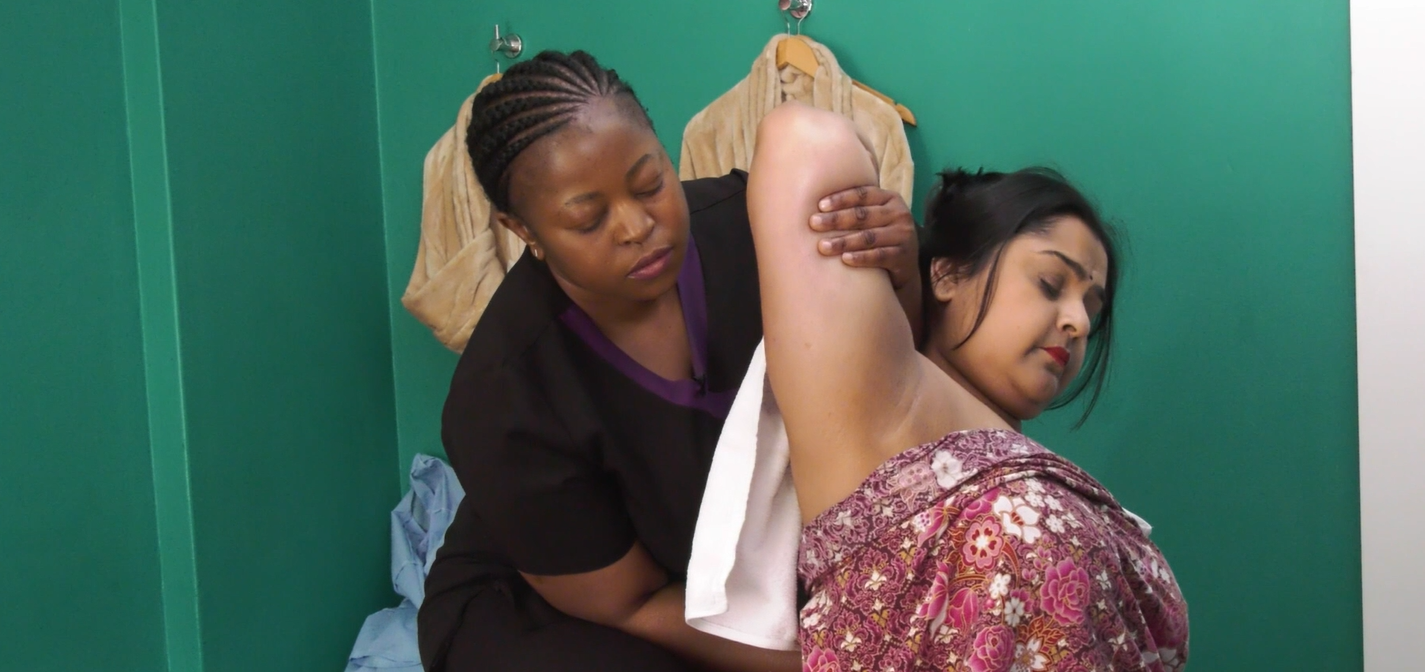
Unlike many Western massage styles that focus primarily on muscle manipulation, traditional Thai massage incorporates stretching, rhythmic compression and assisted positioning. Often described as a dynamic practice, it involves guiding the body through sequences that resemble supported yoga postures. Therapists may use hands, elbows and body weight to apply controlled pressure along energy pathways. The intention is not only to relieve tension but also to encourage circulation, flexibility and structural balance, particularly for individuals whose daily routines involve prolonged sitting or repetitive strain.
The Body’s Physiological Response
When the body shifts into a relaxed state, measurable changes occur. Stress responses begin to subside, heart rate slows and muscle tension decreases. Neurochemicals such as serotonin and dopamine, associated with mood regulation, may increase, contributing to an overall sense of calm. For some individuals, sessions can evoke unexpected emotional release, including tears or deep sleep. These responses are often interpreted as signs that accumulated tension, both physical and emotional, is being processed.
Variations Within the Tradition
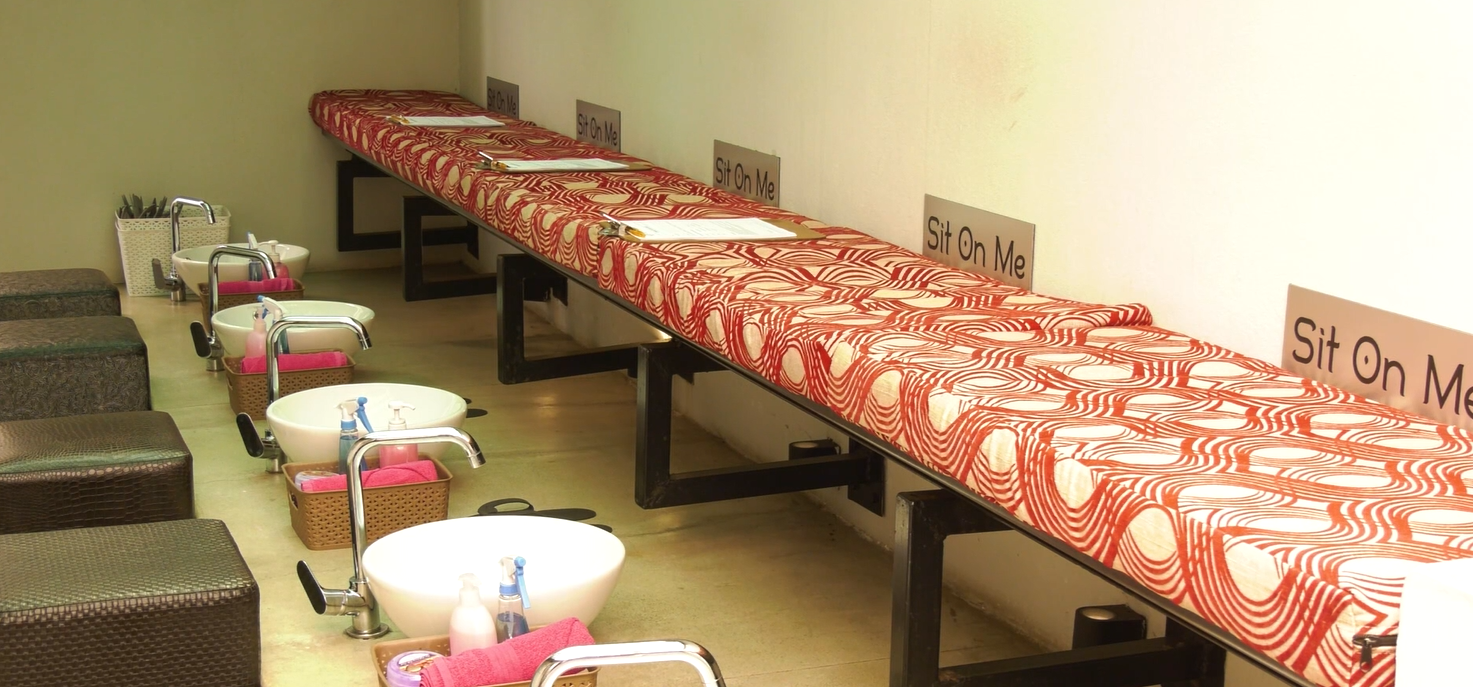
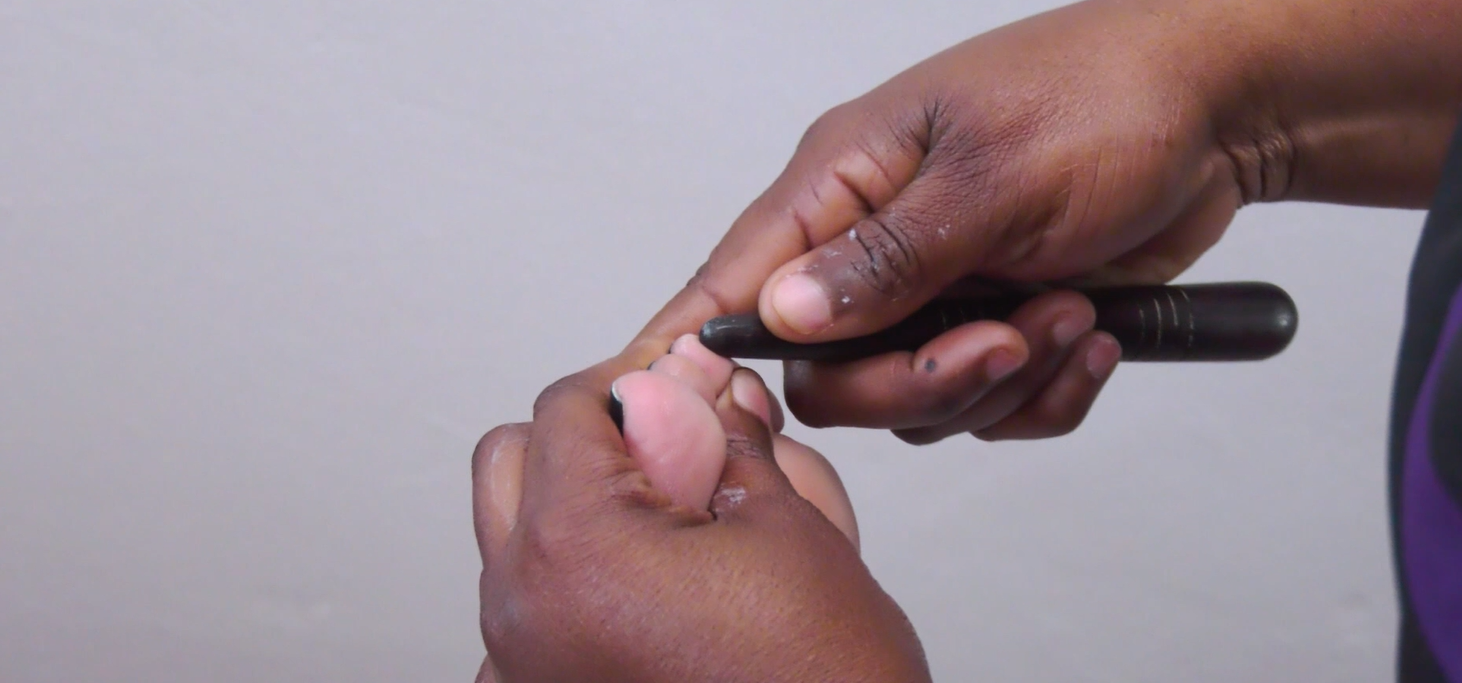
Over time, distinct approaches have developed within Thai therapy. Traditional full-body massage remains central, characterised by structured sequences and stretching techniques. Thai foot massage, influenced by reflexology principles, focuses on pressure points believed to correspond with internal systems. Sports-oriented adaptations apply firmer pressure and oil-based techniques to address muscular fatigue and recovery needs. Despite their differences, each variation shares a foundational philosophy: the body functions as an interconnected whole.
Reconnecting in a Distracted Era
In contemporary life, where digital engagement often overshadows physical awareness, practices centred on touch and stillness take on renewed relevance. Thai therapy, in its traditional form, encourages attentiveness to posture, breath and bodily sensation. Its enduring presence across centuries suggests that beyond technique, its deeper value lies in its reminder that care begins with listening to the body’s signals, to its fatigue and to its need for restoration.