Choosing the Right Place to Plant
Starting an organic vegetable garden begins with one key decision: where your plants will live. Whether on the ground, in raised beds, or inside pots and planters, each option shapes how your herbs and veggies grow. Linda Galvad’s approach is simple – choose the structure that suits your space, your budget, and the way you garden.
Understanding Raised Beds
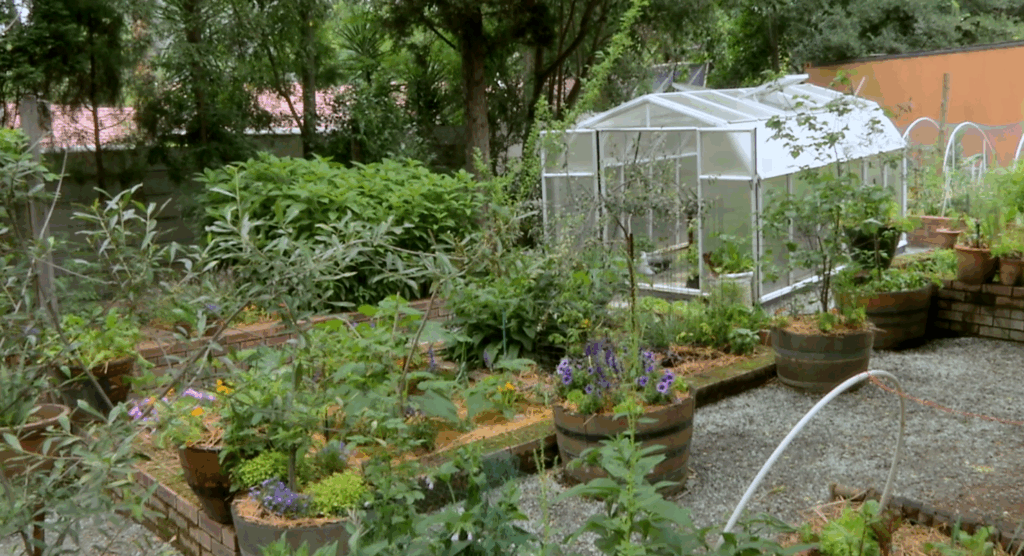
Raised beds come in many forms, from permanent brick structures to quick wooden frames or even repurposed materials. They don’t need to be high; anything from 15 to 45 cm works, with deeper beds offering no added benefit for most crops. What matters is good drainage, healthy soil, and a width that never forces you to step inside the bed. Linda recommends a maximum of 1.2 to 1.5 metres, ensuring you can reach the centre without compacting the soil.
Thinking Creatively About Materials
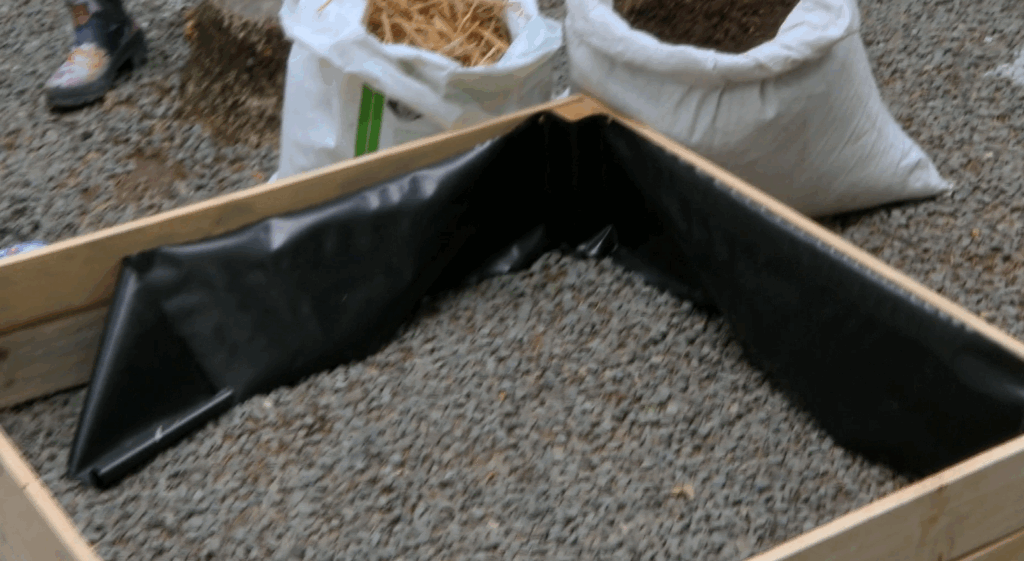
A raised bed isn’t defined by what it’s made of – old bricks, tyres, recycled planters, and wine vats can all become productive growing spaces. The key is preparation. Protect wooden structures with plastic lining along the sides only, never the base, so water can drain freely. Creativity in the garden can transform even unconventional objects into thriving micro-plots.
Building the Perfect Layered Bed
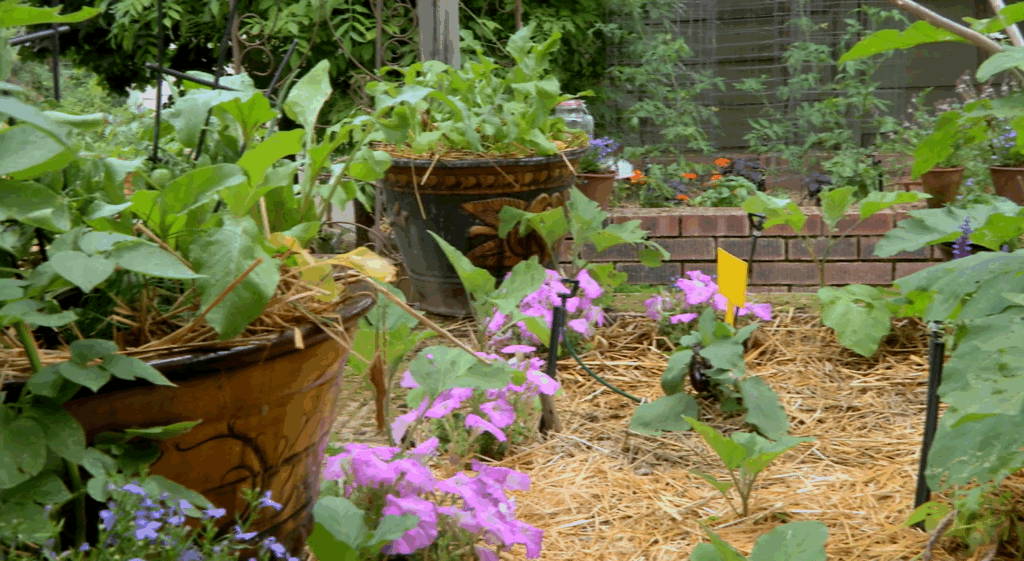
The foundation of any raised bed is its base layer: dry straw, leaves, small twigs, or grass clippings. This organic material will break down over time, so Linda suggests using about 10 cm in a 20 cm-high bed. On top of this, add a rich 60% compost / 40% topsoil mix for leafy and above-ground crops. Fill right to the top, the soil will settle after watering, and starting high prevents your plants from sinking into a shallow bed.
Growing Successfully in Pots
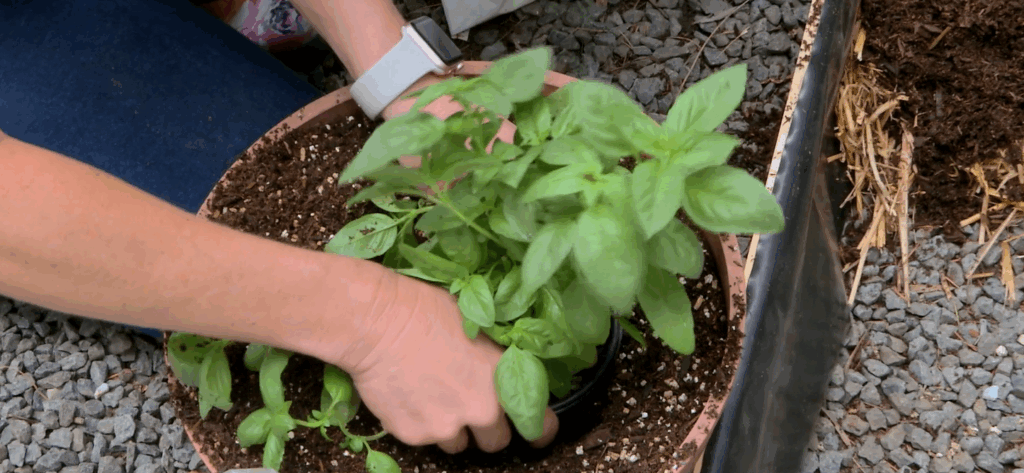
Pots work just like miniature raised beds. The essentials: excellent drainage, a balanced soil mix, and regular watering. A pot around 30 cm deep can support even root vegetables like beetroot if filled properly. Start with 2cm of gravel, then combine equal parts potting soil and organic compost, plus 20–30% vermiculite to improve moisture retention. Because pots dry quickly, daily watering is often necessary, especially in warm weather.
Balancing Practicality and Aesthetic Appeal
Whether you choose raised beds, pots, or both, the combination can create a functional garden with visual charm. Mulch remains essential; it protects the soil, preserves moisture, and keeps plant roots comfortable. Linda’s final reminder is to choose the system that works best for your lifestyle. With the right soil, good preparation, and a bit of creativity, every container becomes a home for fresh, healthy produce.