Discover how thoughtful design turns children’s spaces into playful, practical havens. From Scandinavian-inspired simplicity to clever storage and cozy corners, these rooms balance fun and function for little ones to play, learn, and grow.
Designing with Purpose
In Johannesburg, an interior designer focuses on children’s rooms, blending playfulness with simplicity. Her journey began nearly two decades ago while preparing a nursery for her first daughter. While searching for pieces, she noticed a lack of thoughtful options for young children’s spaces. From that initial experience, a love for designing practical and imaginative rooms emerged, an approach shaped by Louise Bradbury of Cait’s Room Interiors.
Calm Scandinavian Influence
The spaces are influenced by Scandinavian and Nordic design, light woods, clean lines, and soft palettes. These elements allow rooms to feel open, organized, and adaptable as children grow. Simplicity forms the foundation, leaving space for creativity and personality to develop naturally.
Playful and Practical
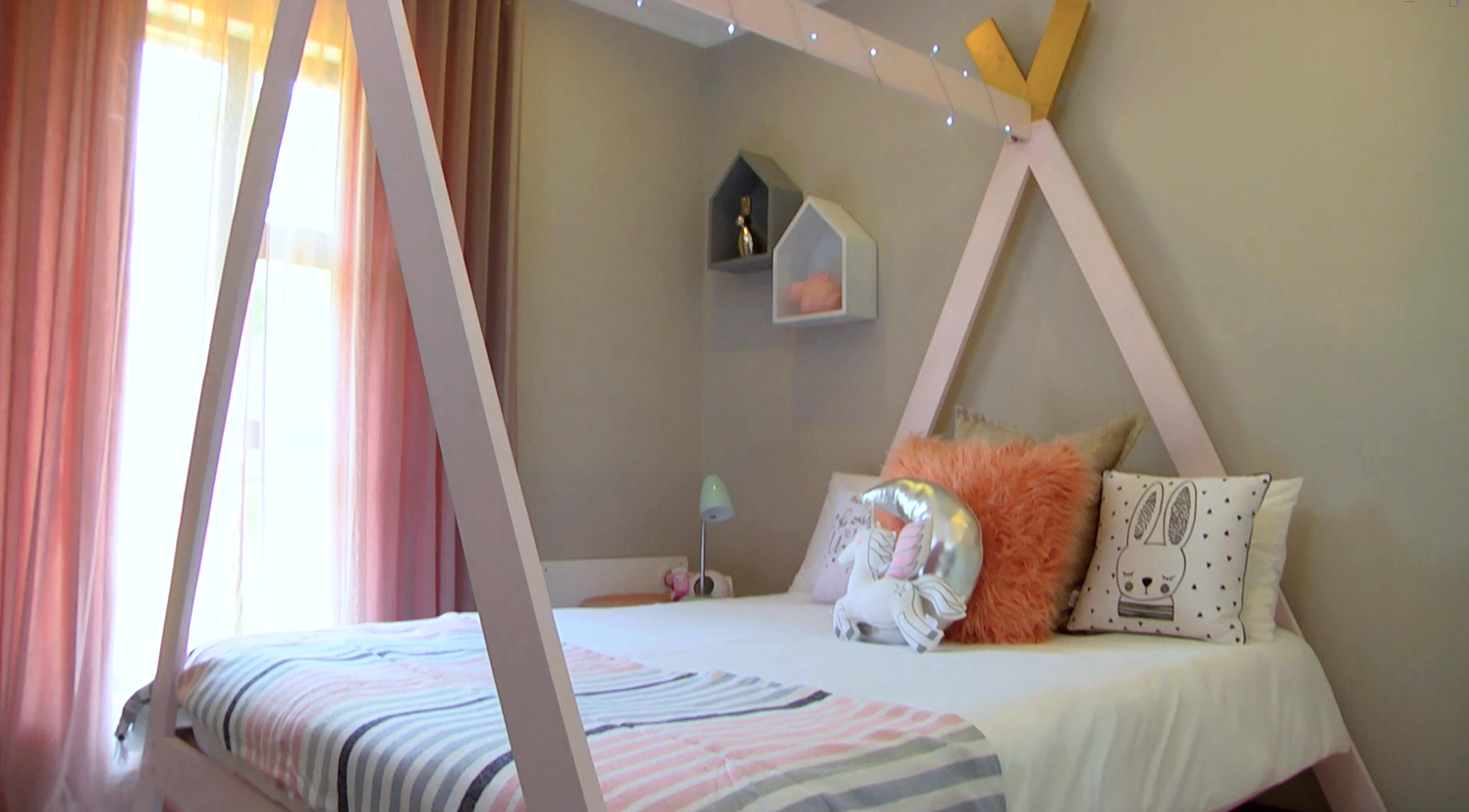
In a room for a one-and-a-half-year-old, the focus is fun but functional. A custom double-size teepee bed creates a camping-like feel while allowing parents to lie beside the child at bedtime. Wall shelves display cherished items, and a moon-shaped L-shaped storage unit offers a safe and organized solution for toys and everyday items.
Storage as a Key Element
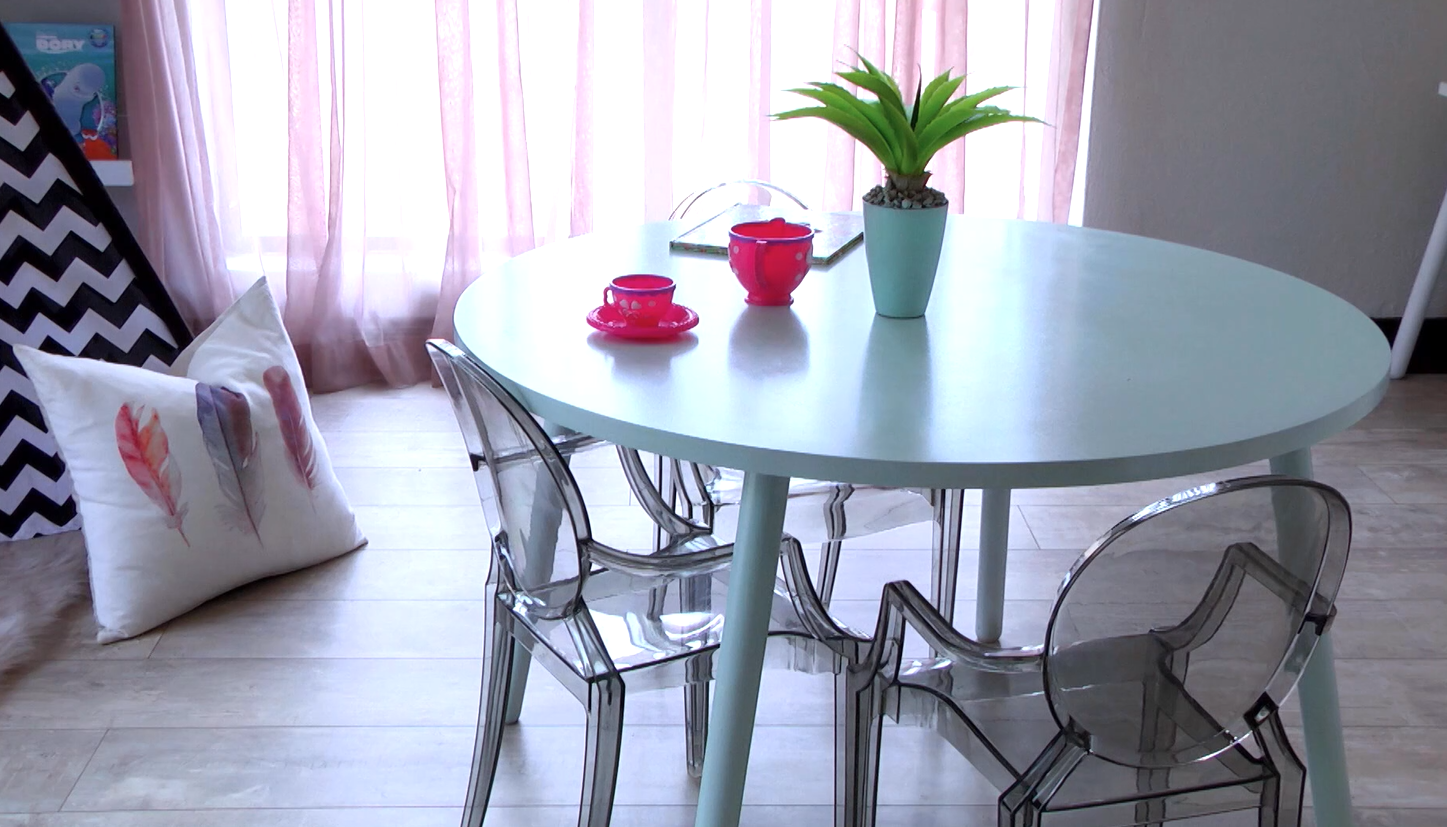
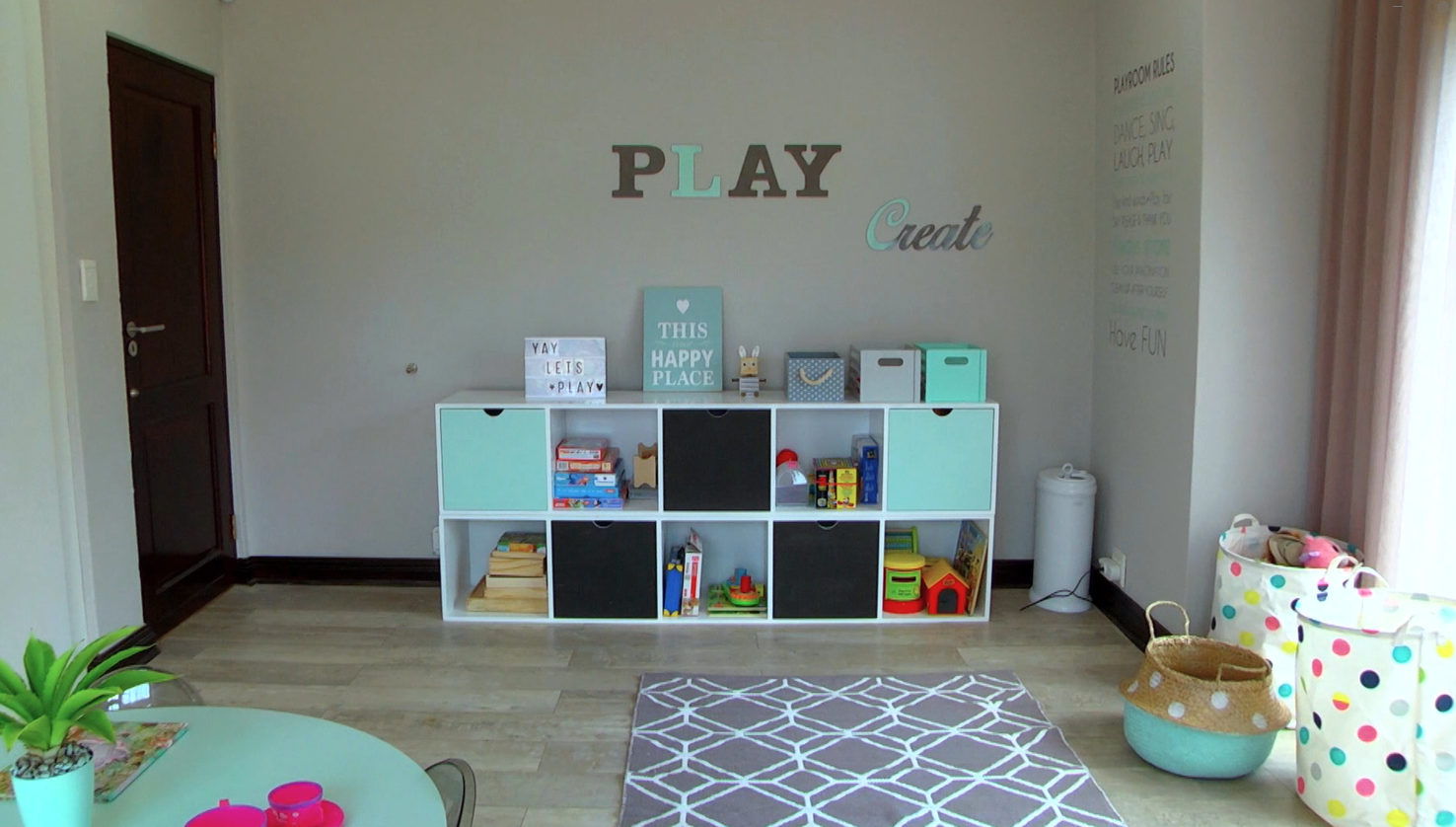
In the playroom, storage guides the layout. Custom cabinetry with chalkboard fronts creates interactive surfaces, while a round, slightly higher table accommodates multiple children for activities or meals. Each piece is carefully measured to fit the space and the needs of its users.
Balanced Spaces
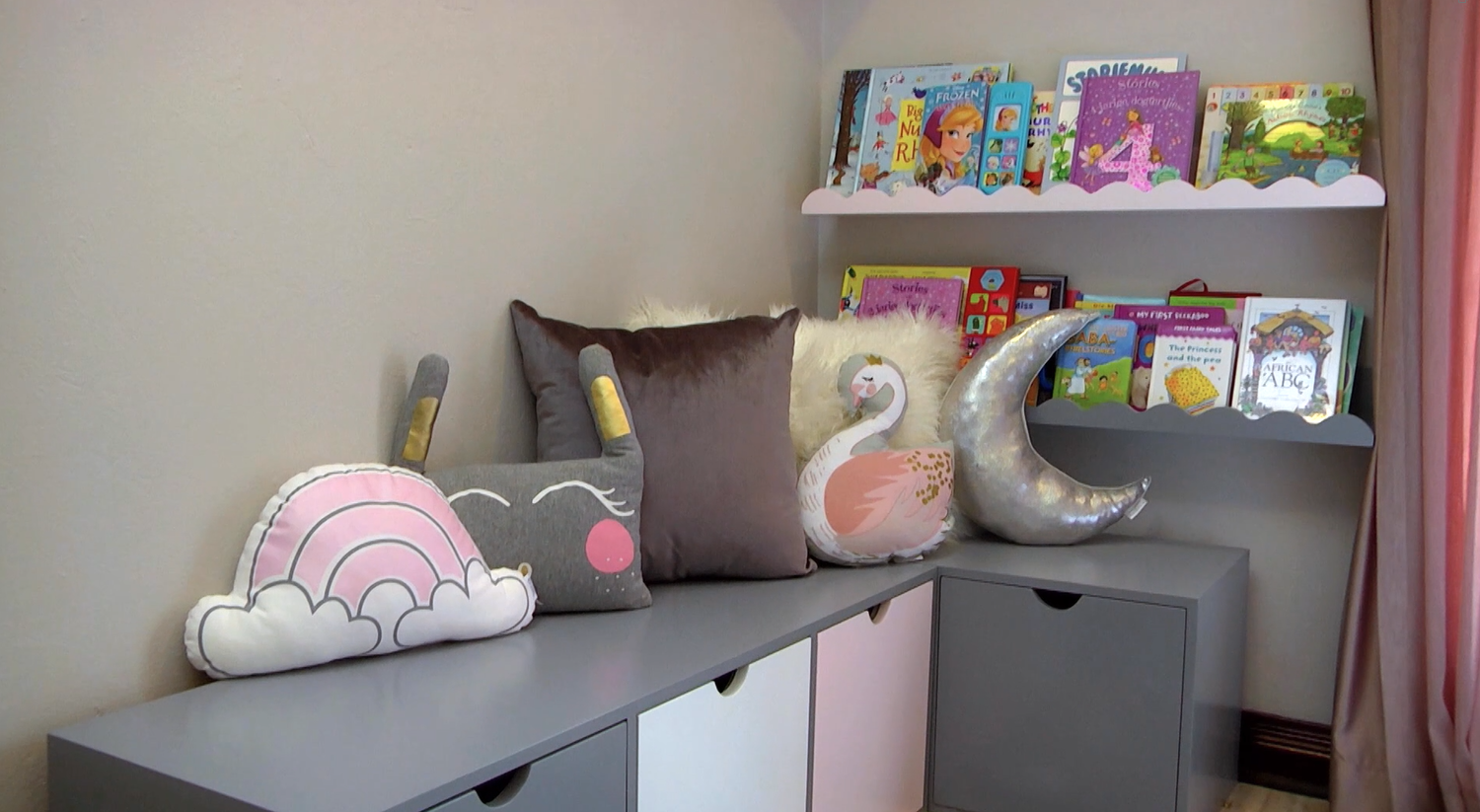
Activity stations with floating shelves, baskets, and hanging tins keep art supplies accessible yet tidy. Floor cushions and low book storage create cozy reading nooks. The rooms are designed for movement, play, and calm, offering flexibility without clutter.
Thoughtful Planning
When designing spaces for children, the most important steps are assessing needs and considering the child’s experience. Clear planning ensures that rooms are both safe and inspiring, with spaces that allow children to play, explore, and grow comfortably.