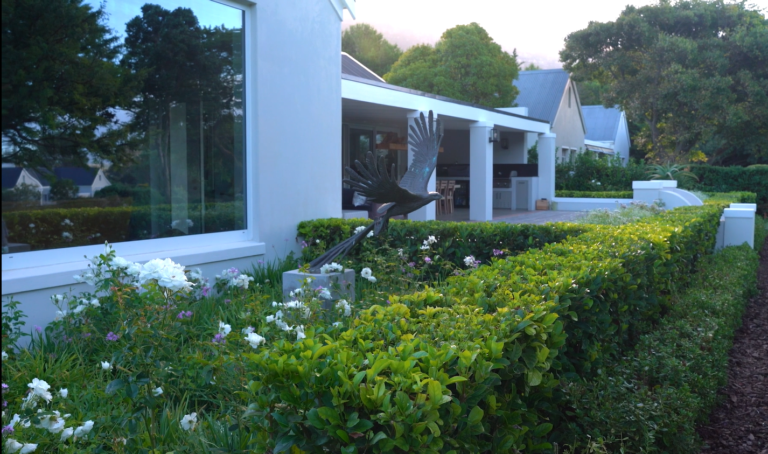
Turn even the smallest space into a productive vegetable garden
This episode dives into organic gardening for urban living; showing how patios, balconies, and rooftops can grow real, edible food with the right approach. Filmed at the rooftop garden of the Saxon Hotel, the video breaks down organic growing in a clear, practical way. From soil preparation and composting to watering, mulching, and smart plant spacing, you’ll see how simple techniques make a big difference; no chemicals, no shortcuts.
Whether you’re starting your first veggie pot or refining a small garden, this guide focuses on what actually works in limited space. Calm, informative, and easy to follow, it’s all about growing food naturally and confidently.
A Shift Toward the Compact Garden
This season’s focus turns to a growing trend: cultivating food in small urban spaces. As more people settle into cities, balconies, patios, and modest backyards are increasingly becoming productive growing areas. The idea is straightforward, you do not need a large plot of land to grow your own vegetables. With the right approach, even a few containers can yield meaningful results.
Understanding Organic Growing
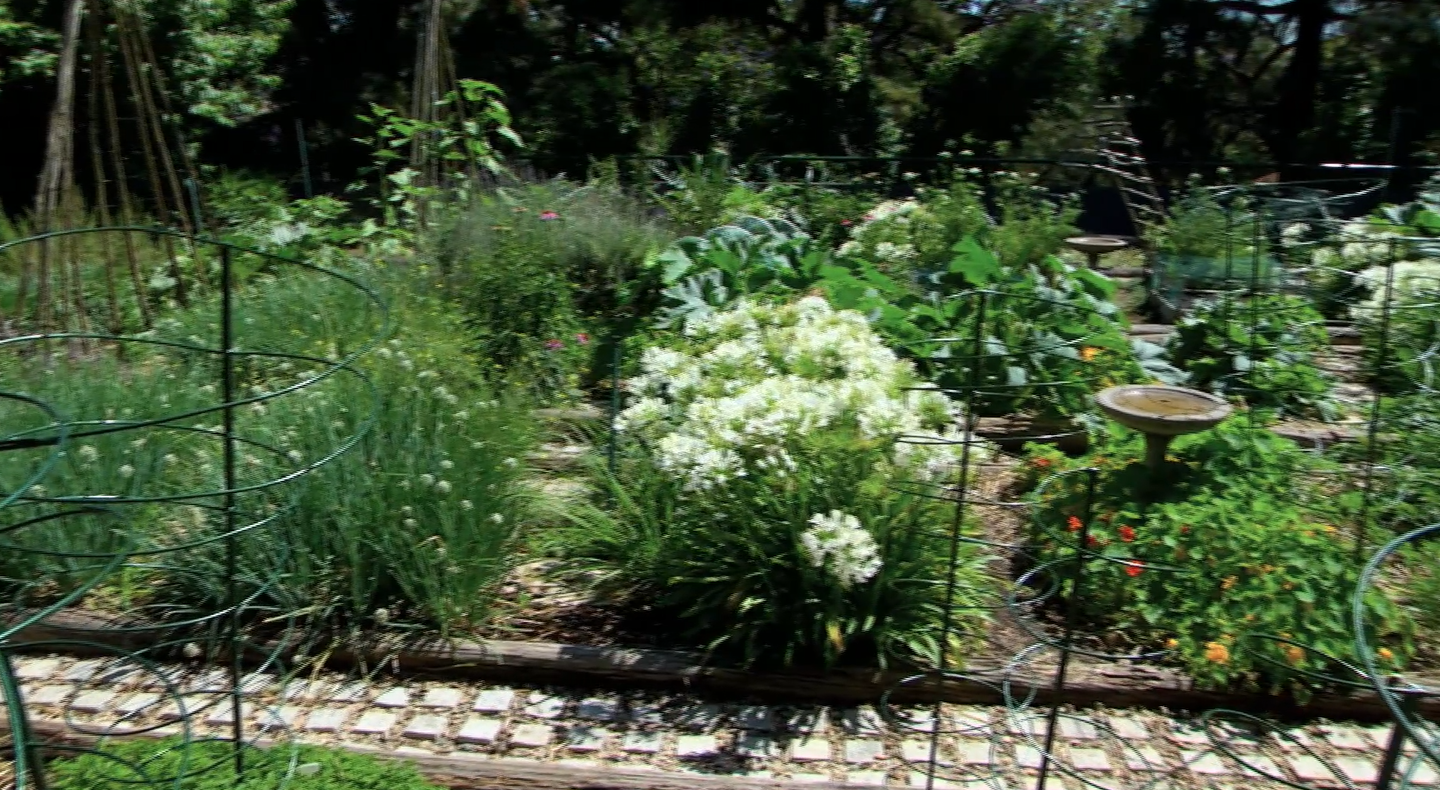
Organic gardening begins with eliminating synthetic pesticides, insecticides, and chemical fertilisers. Instead of relying on single-crop planting, it embraces biodiversity. Companion planting, crop rotation, mulching, and soil conservation work together to maintain balance within the garden. The emphasis shifts from quick fixes to long-term soil health, allowing plants to thrive in a naturally supported environment.
A Rooftop as a Working Garden
At the Saxon Hotel, a rooftop vegetable garden demonstrates how productive an unconventional space can be. Elevated above the city, it reflects a practical application of organic principles careful plant selection, diverse cropping, and thoughtful soil preparation all within limited square metres.
Choosing the Right Location
Starting a vegetable garden begins with observation. A site should receive at least six hours of direct sunlight daily. Positioning is critical: large trees can compete for nutrients through invasive root systems, and seasonal sun angles affect light exposure, particularly in winter. Access to water is equally essential. A nearby source simplifies regular care and supports consistent growth.
Preparing Soil with Intention
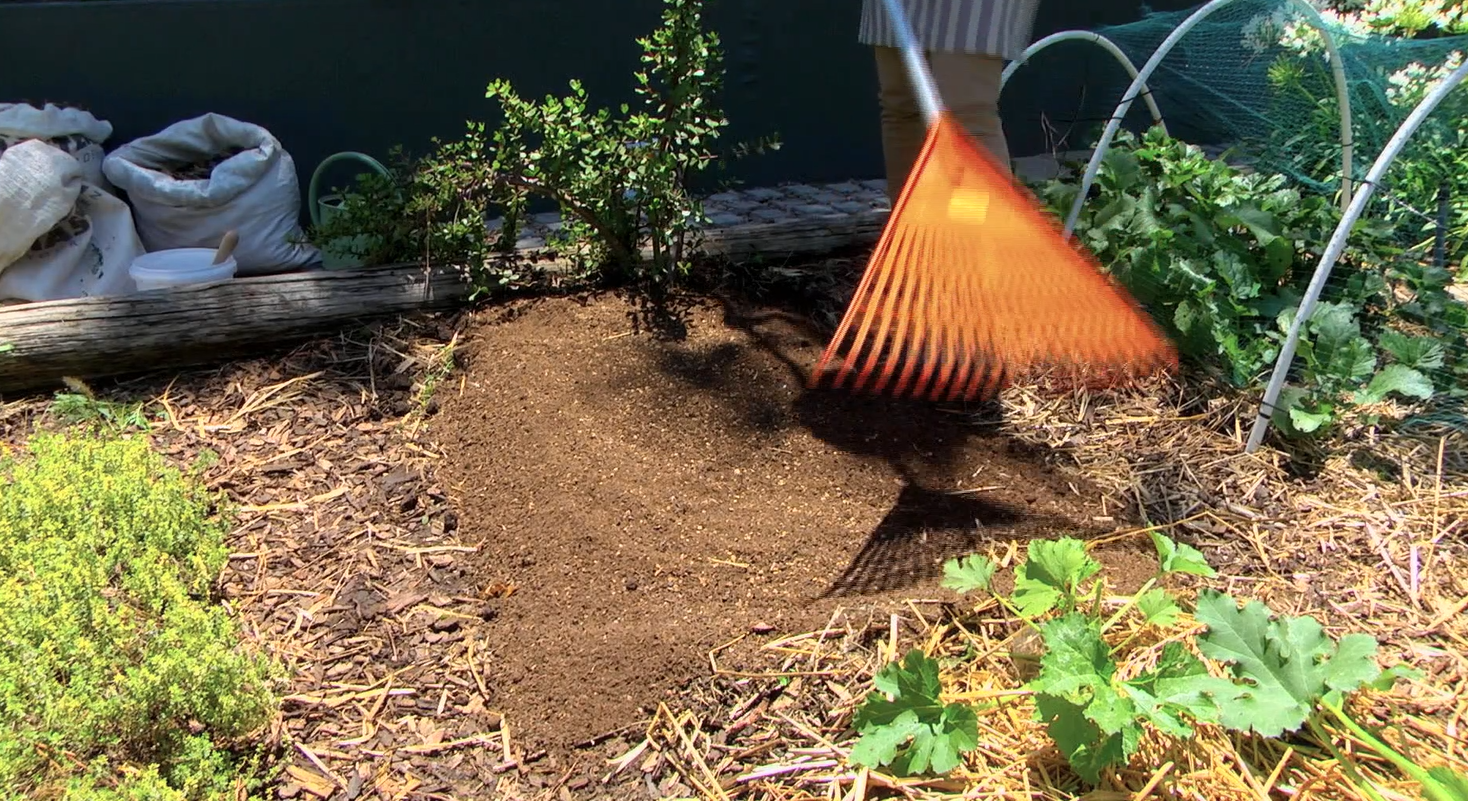
Healthy soil underpins every successful garden. Compost enriches structure and introduces beneficial microorganisms, while a measured amount of organic fertiliser provides additional nutrients at the start of major growing seasons. Beds should be narrow enough to reach across without stepping on them, preventing soil compaction and preserving aeration. This preparation supports steady plant development through the season.
Planting and Protection
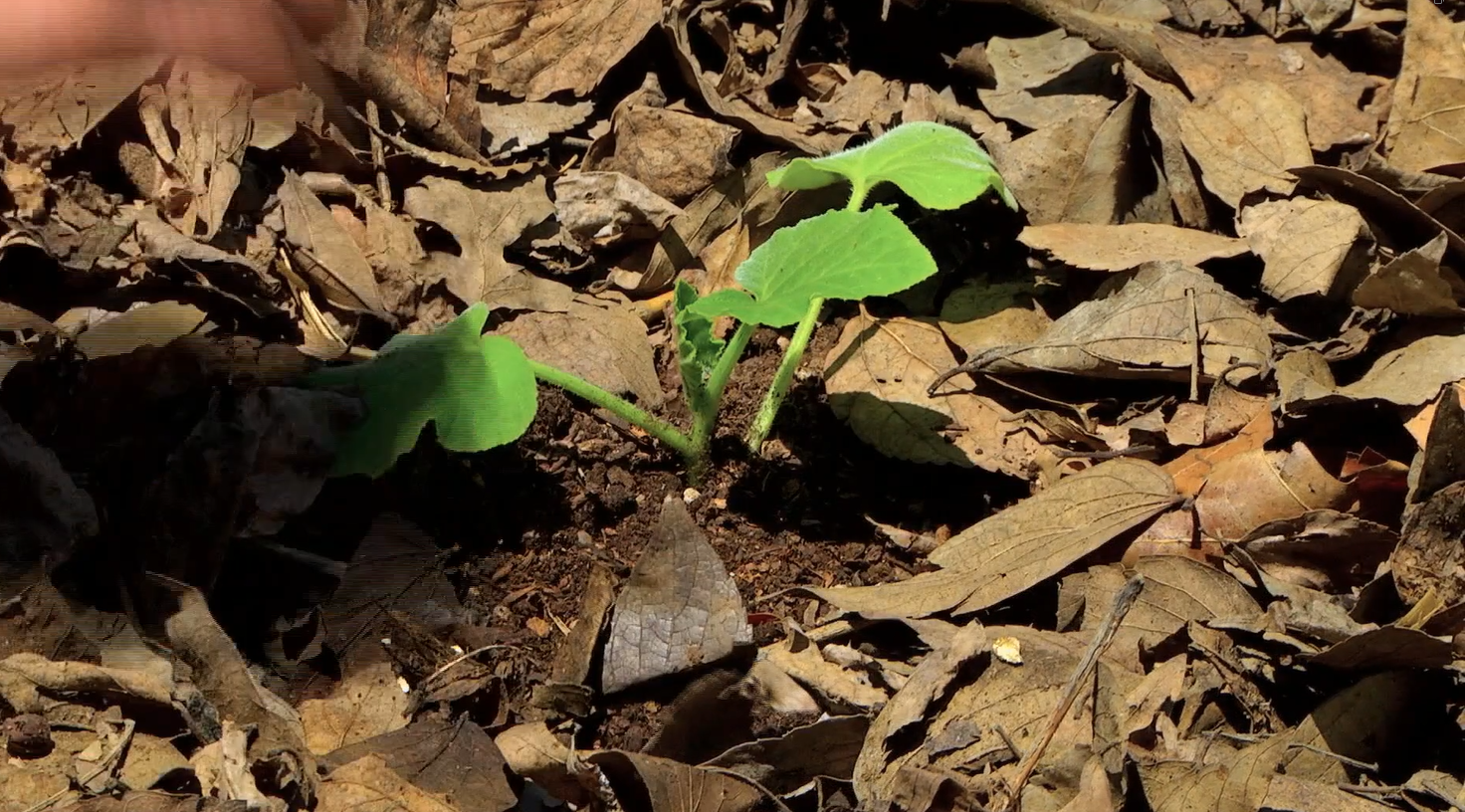
When transplanting seedlings such as zucchini, the planting hole should accommodate the entire root system. Adding water directly into the hole before positioning the plant encourages immediate root contact with moisture. Once planted, a layer of untreated straw or dry leaves acts as mulch, conserving moisture and suppressing weeds. The only exception is eucalyptus leaves, which can inhibit plant growth. With measured preparation and consistent care, even a modest garden can become a reliable source of fresh produce.