In a world dominated by screens, our eyes endure constant strain, yet routine eye exams are often overlooked. Optometrist Candeece van Eeden explores how regular testing can detect issues early, protect vision, and support overall well-being. From understanding digital eye strain to the importance of children’s eye health, this video highlights how simple, consistent care can make a lasting difference
Why Regular Eye Checks Are Essential to Your Health
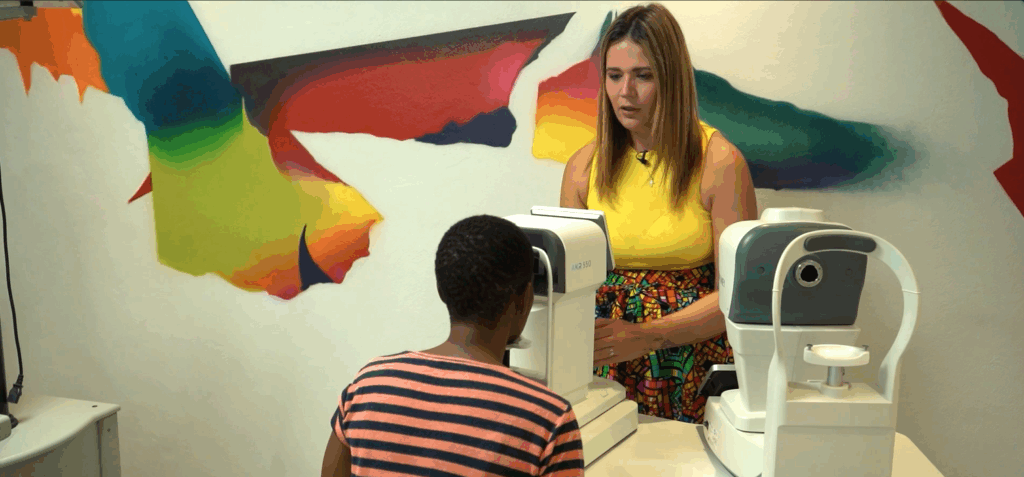
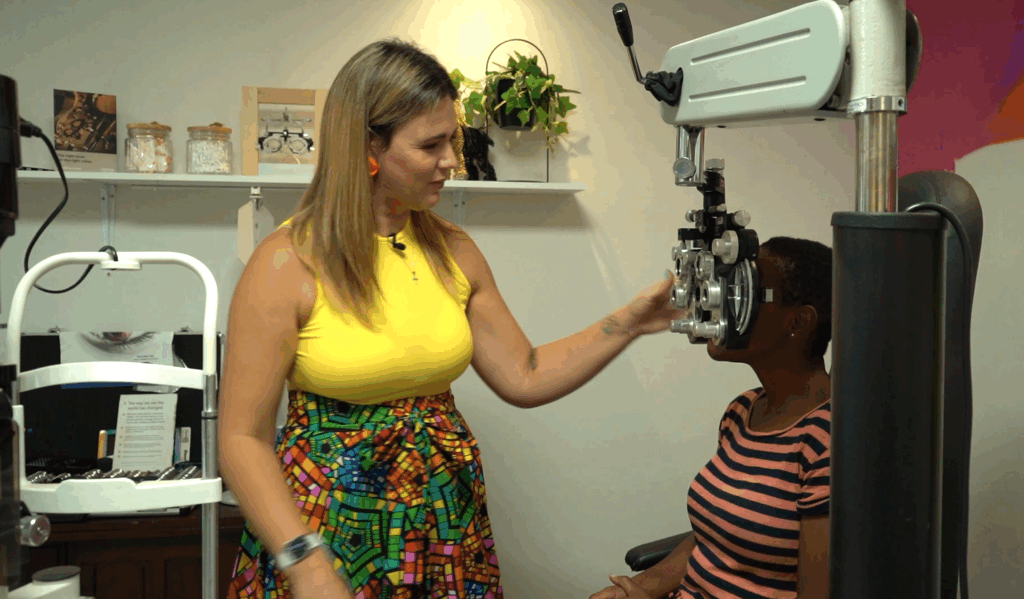
In a world where screens dominate our daily lives, our eyes endure constant strain, yet regular eye exams remain one of the most overlooked aspects of personal health. At her Randburg practice, Optometrist Candeece van Eeden combines advanced testing with patient-focused care to protect the clarity we often take for granted. Through early detection and modern technology, her work ensures that eye health is treated not as an afterthought but as a vital part of overall well-being.
Technology Meets Precision
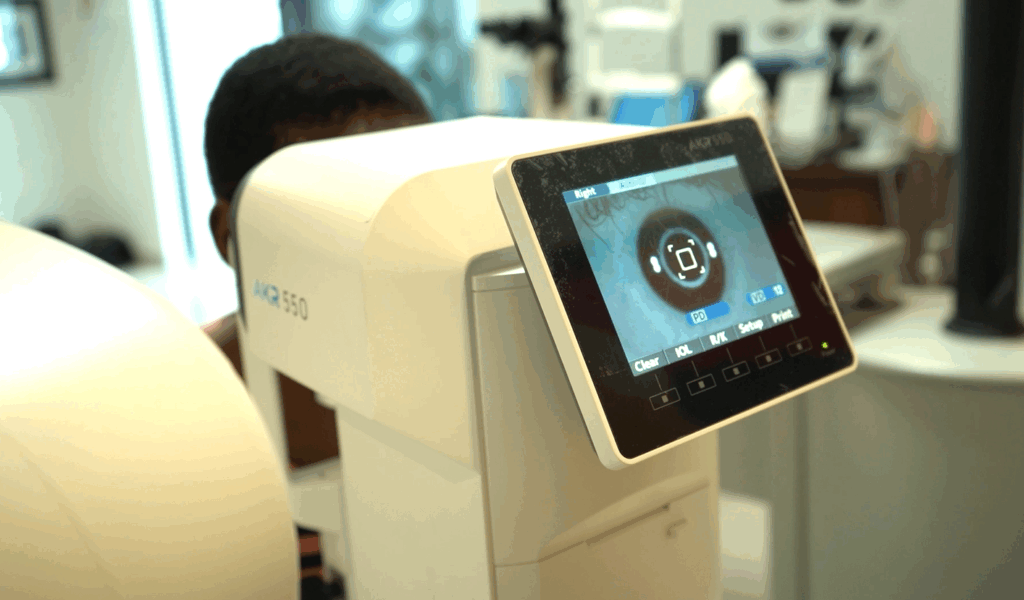
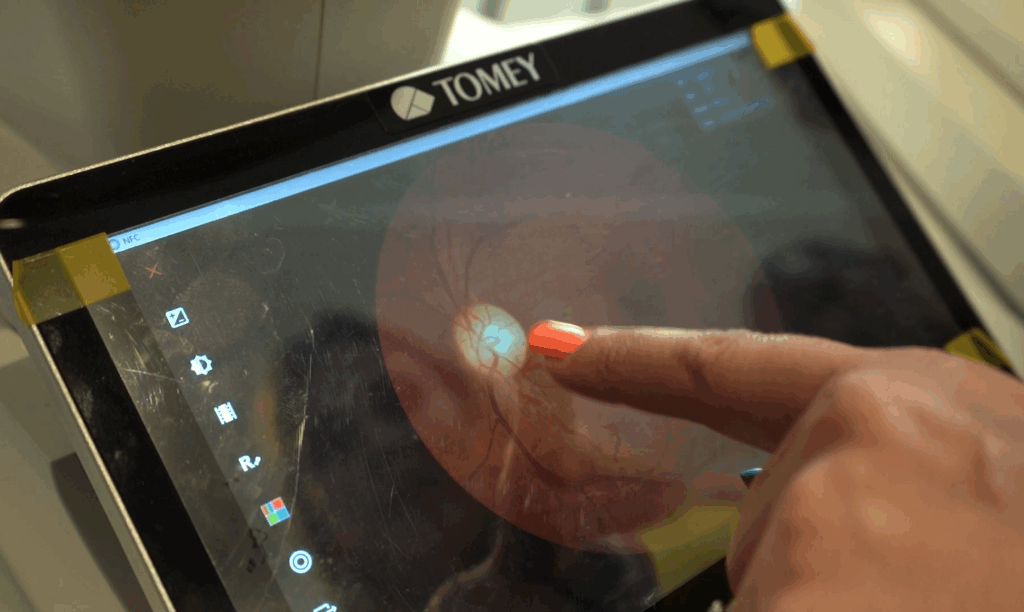
Modern optometry blends human skill with cutting-edge technology. Candeece demonstrates a digital machine that acts like an electronic optometrist, offering a rough estimate of a patient’s prescription and taking detailed photographs of the inside of the eye. “When it flashes,” she explains, “we can see the retina, blood vessels, and macula the part responsible for sharp, detailed vision. Conditions like glaucoma or retinal damage can be detected long before symptoms appear.”
Education as Eye Care
Candeece is passionate about education and believes awareness is as important as diagnosis. “Health education is everything,” she insists. “If people understood that an eye test can detect issues early, even before they affect your vision, they’d treat it as essential, not optional.” She advises everyone to have an eye test every one to two years, regardless of whether they feel their sight has changed.
The Digital Age Strain
In today’s world of constant screen time, eye strain and short-sightedness are on the rise. “We were designed to look far to hunt and move outdoors,” says Candeece. “Now, our eyes spend hours focusing on close objects like phones and laptops.” This near-constant focus puts stress on the eyes and causes an increase in short-sightedness, especially among younger generations who spend most of their time indoors.
Why Early Testing Matters
Skipping routine eye exams can have lasting consequences. Many eye conditions, if left undiagnosed, can lead to irreversible damage. “Caught early, most eye diseases are treatable,” Candice explains. “But if you wait until symptoms appear, it might be too late.” She recommends starting eye tests for children as early as six years old. “Kids are masters at adapting; they’ll pretend they can see what they can’t,” she says. “Testing them early can change their lives.”
Light, Color, and Vision
For Candice, optometry isn’t just science; it’s art. Her practice’s logo symbolizes light, made up of countless colors. “White light seems simple,” she reflects, “but it’s actually a spectrum of many colors. That’s how I see optometry, what looks ordinary is full of incredible detail and beauty.” With her mix of precision, passion, and purpose, Candeece van Eeden is redefining what it means to truly see.